
Cross-country running – what is it and how do you prepare?
Is “regular” running on asphalt, pavements, other hard surfaces or already-trodden paths no longer enough for you? Are you starting to look for new challenges that will test you not only physically, but also verify your character and fighting spirit? If the answer to even one of these questions is a firm “YES!” - it’s a sign that it’s worth stepping out of your comfort zone and trying a different discipline.
Find out what cross-country running is, what rules apply to it and, above all, what to do to be ready to start in this type of event.
Cross-country running - what is it?
Cross-country running, often simply referred to as “cross-country”, is one of the oldest running disciplines in which the main arena of competition is varied terrain. It is usually located away from the bustle of the city.
Its origins go back nearly 200 years to Great Britain, which initiated the popularity of this discipline. The first official championships, in turn, took place at the beginning of the 1970s.
What is cross-country running about?
Unlike classic road races, these routes mainly run through unpaved sections. These include forest trails, routes marked out across fields and meadows, as well as those running through deserts and other sandy terrain.
Classic cross-country also includes natural terrain obstacles that diversify and intensify this kind of activity. The most popular challenges include crossings through rivers, lakes and ponds, climbs, descents, drops, and even marshes and mud... lots of mud.
Obstacles during this type of competition also include tall grass, fallen trees, protruding roots, branches, bushes and many others.

Distances - what lengths are cross-country races run over?
This type of competition can be held over various distances. Historically, events were run over 4 km (short distance) and 8 km (long distance). Currently, the most popular format is around 10–12 kilometres. Of course, both in Poland and abroad, there is no shortage of events organised over other distances as well (usually 3, 5 and 10 km).
Interesting fact: similarly to obstacle course racing (OCR), the distance in cross-country running is a matter of convention. This means that the length of individual routes is given only approximately.
Types of cross-country races - who are these events for?
It is no exaggeration to say that this is a discipline that anyone can take up - regardless of age, gender or sporting level. Cross-country races for adults take place in Poland and abroad. In addition to regular events, championship-level competitions are also organised from time to time (including the European and World Championships).
It is worth emphasising that cross-country races for children are also very popular, most often taking the form of school-level competitions.
Both options for younger and slightly older participants may take place in the form of individual races as well as relay cross-country races.

Cross-country, trail and ultra running - do all these terms mean exactly the same thing?
Although it may seem that each of these terms refers to the same type of running, in practice there are quite significant differences between them.
In the case of trail running, the routes lead through unpaved terrain, but you are rather unlikely to encounter obstacles such as trees, marshes, stones, etc. The same applies to ultra running, which is usually free from difficult obstacles (with the exception of stones and numerous climbs) and, additionally, is run over much longer distances. These can reach dozens or even hundreds of kilometres!
How do you prepare for taking part in cross-country running?
At this point, it should be clearly stated that this kind of activity “in itself” has a lot in common with other disciplines from the running family. Similarly to races held on roads or a track, proper fitness preparation, endurance and strategy also matter off-road.
However, there are several important differences. Moving through mud (which sometimes reaches the knees or waist and very often the ankles) requires the right technique, which will reduce the risk of falling and allow you to cover the next metres efficiently. The same applies to uphill and downhill sections (especially steep ones), which require both proper technique and energy reserves in your legs.
Whether it is regular recreation, training or participation in a race, to prepare as well as possible for this type of activity, you should:
- Take care of your general fitness and endurance preparation.
- Work on your technique for moving over varied terrain.
- Build an aerobic base and strength that will allow you to handle climbs and other difficult terrain efficiently.

How should you dress for a cross-country race?
The foundation is properly selected footwear. Due to the fact that the ground in cross-country events is relatively soft and, at the same time, very slippery, try to choose shoes with moderate cushioning but with what is known as an aggressive outsole*. There is also a high probability that you will come into contact with water on the route. That is why shoes made with waterproof material and a special water drainage system will work very well.
* An aggressive outsole is nothing more than special rubber studs or lugs that allow you to move efficiently even on boggy, slippery and wet terrain.
The other items of clothing also play an important role. The ever-present mud, along with moisture, may mean that your weight at the finish line is higher than it was at the start. To reduce the risk of carrying unnecessary kilograms (read: excess mud stuck to your body), choose running shirts and running trousers made of polyester and elastane.
-
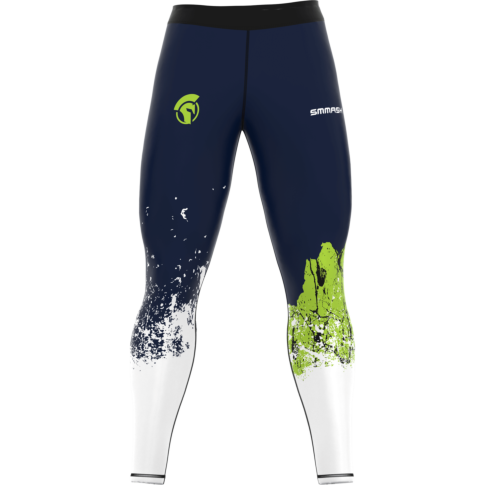 MEN’S LONG RUNNING LEGGINGS RUNNING AND OCR LEGGINGSAs low as €26.99 Regular Price €56.90
-
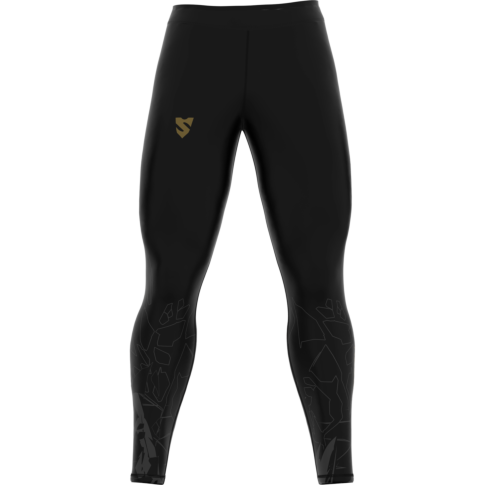 MEN’S LONG RUNNING LEGGINGS RUNNING AND OCR LEGGINGSAs low as €26.99 Regular Price €56.90
-
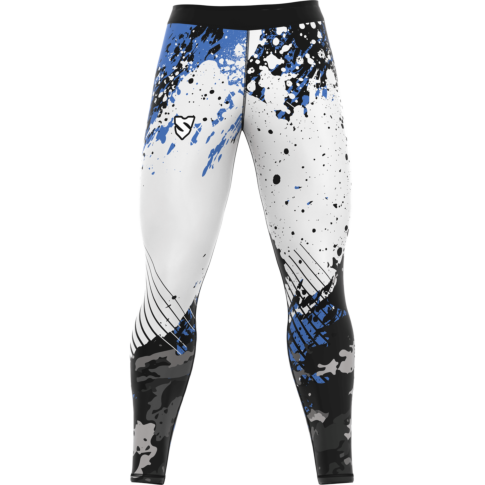 MEN’S LONG RUNNING LEGGINGS RUNNING AND OCR LEGGINGSAs low as €26.99 Regular Price €56.90
-
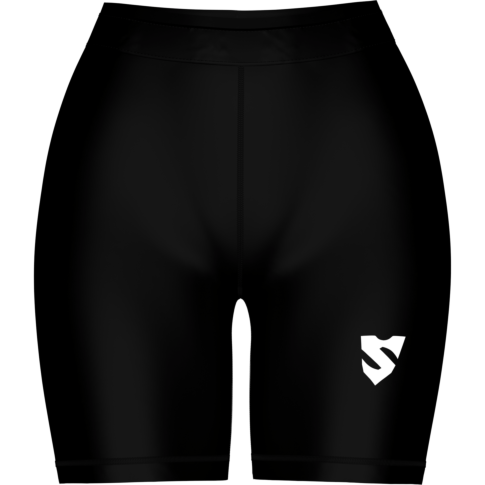 WOMEN’S ULTRA LIGHT COMPRESSION LEGGINGS LEGGINSY DO BIEGANIA I OCRAs low as €27.99 Regular Price €56.90
-
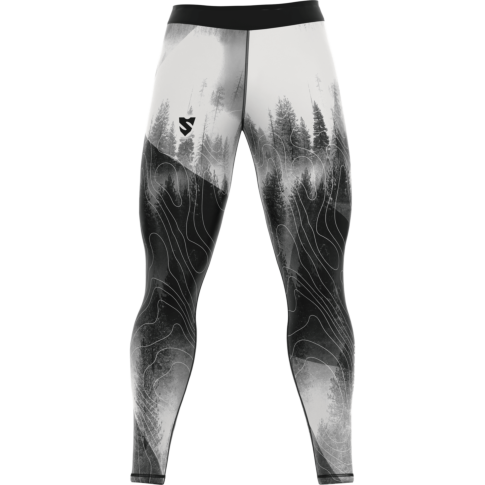 MEN’S LONG RUNNING LEGGINGS RUNNING AND OCR LEGGINGSAs low as €26.99 Regular Price €56.90
-
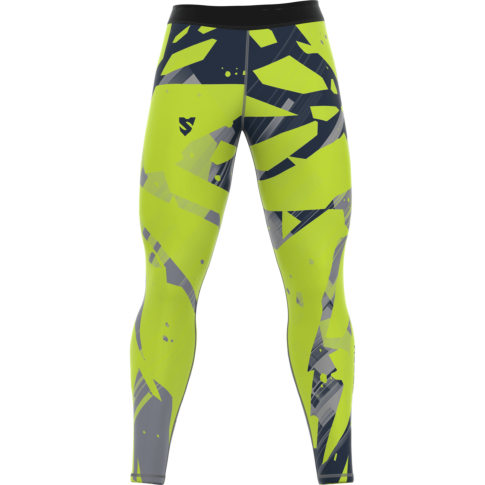 MEN’S LONG RUNNING LEGGINGS RUNNING AND OCR LEGGINGSAs low as €26.99 Regular Price €56.90
-
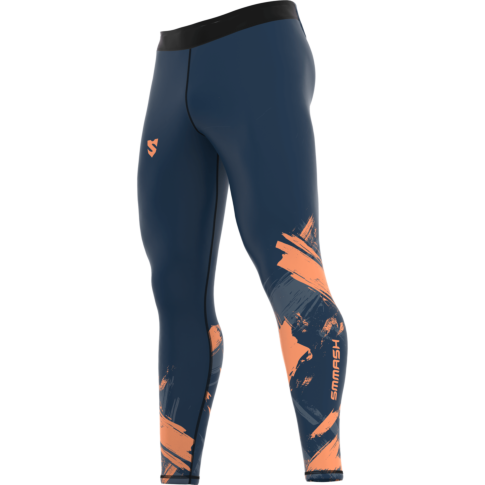 MEN’S LONG RUNNING LEGGINGS Men's long running and OCR leggings SMMASHAs low as €26.99 Regular Price €56.90
-
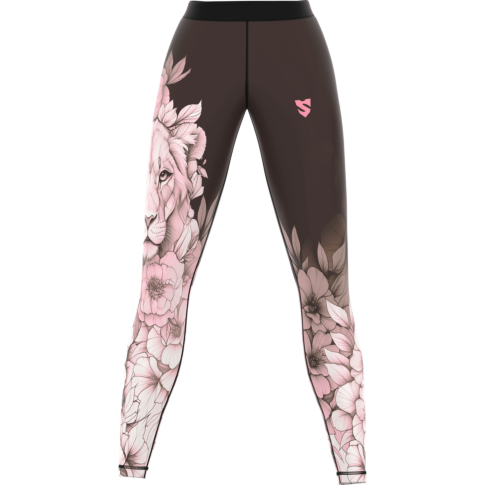 WOMEN’S LONG RUNNING LEGGINGS RUNNING AND OCR LEGGINGSAs low as €32.99 Regular Price €56.90


