
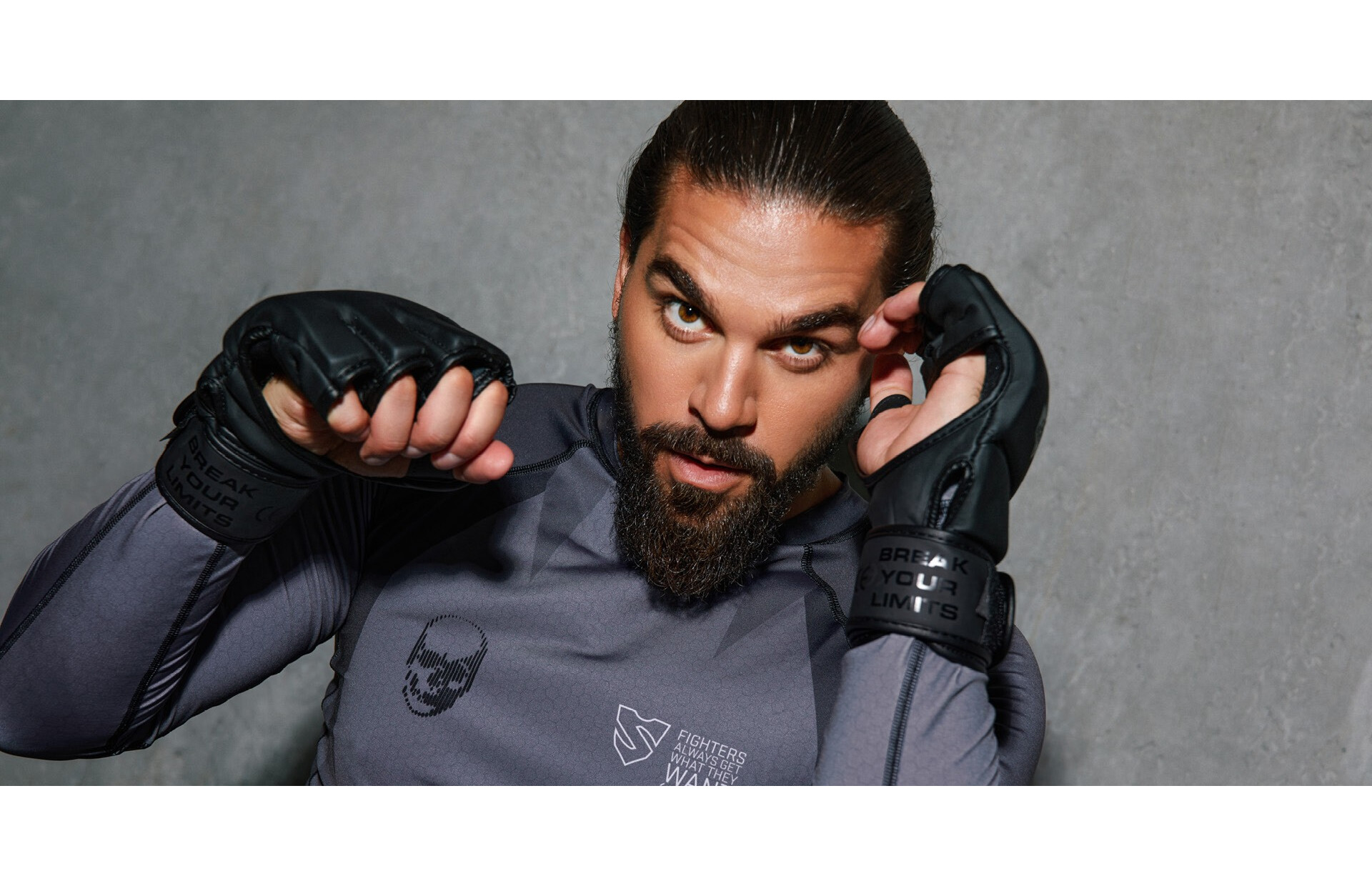
MMA: what is it? Everything about mixed martial arts.
For some, a brutal sport; for others, a true art that demands determination, skill, strength and character. For the vast majority, it is excellent entertainment that delivers unforgettable excitement and plenty of adrenaline, both for the fighters competing and for the fans watching them. In broad terms, this is how you can describe a sport that has been steadily growing in popularity for nearly 30 years. In this article, we take a closer look at it, covering not only its definition but also other important aspects.
Want to learn more? Find out what mixed martial arts are, what rules govern the bouts, and how to start training MMA.
What is MMA? Definition, history and characteristics.
MMA (mixed martial arts) is a sport that combines different martial arts. According to Wikipedia, the forerunner of this sport was pankration, which was practised as far back as ancient Greece. Personally, we would not go quite that “far”, as many believe that the biggest influence on the shape of modern MMA came from Brazilian vale tudo tournaments and Japanese kakutougi. The discipline as we know it today began with the first event of the world’s best-known federation – UFC. In Poland, the leading MMA organisation is KSW (which you will read about in a moment).
The rules, or what do mixed martial arts bouts involve?
Fights most often take place in a specially prepared space – the octagon. This is an eight-sided ring surrounded by a fence, where the fighters and the referee move around. During a bout, 2 fighters face each other and use a range of techniques, holds and strikes to gain the upper hand and beat their opponent.
A fight can end in several ways:
- By a classic knockout, meaning the opponent is made unable to continue the contest (for example, after receiving a powerful strike and losing consciousness).
- By technical knockout, meaning damage to the body that prevents a return to the fight.
- Submission, meaning forcing the opponent to “tap out” and, as a result, give up the fight. This most often takes the form of a choke or a joint lock applied to a chosen part of the body.
- By judges’ decision, when no knockout or submission occurs within the regulation time. In that case, the judges decide the winner by awarding points for individual rounds.
The fight may also be stopped by the referee if they decide that one of the fighters is unable to continue or that carrying on could threaten their life or health.
How long do MMA fights last? How many rounds are there in a bout?
In most federations (including the leading one – UFC), two formats are used. Depending on what the fighters are competing for, we can distinguish:
- Standard bouts (without a championship title at stake) usually last 3 rounds, 5 minutes each.
- Championship bouts (in which fighters compete for titles in individual weight classes) usually last 5 rounds, 5 minutes each.

-
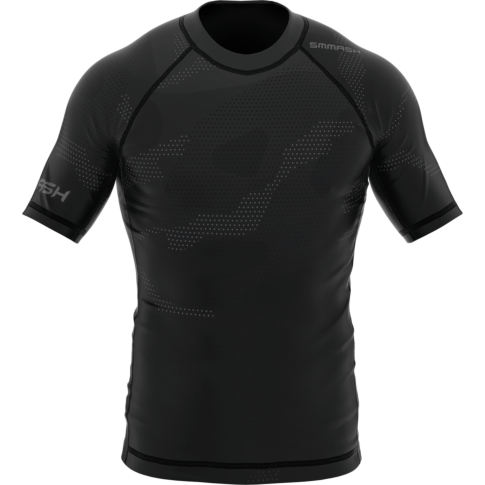 RASHGUARD WITH SHORT SLEEVES RASHGUARD MMAAs low as €26.99 Regular Price €51.90
-
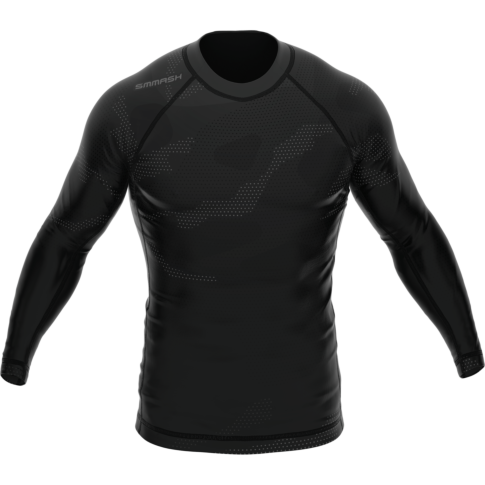 RASHGUARD WITH LONG SLEEVES RASHGUARD MMAAs low as €29.99 Regular Price €53.90
-
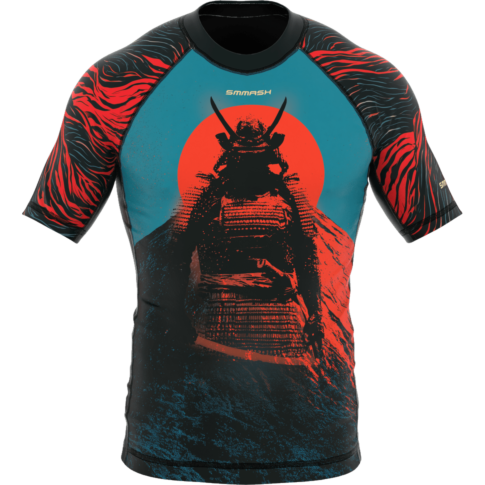 RASHGUARD WITH SHORT SLEEVES RASHGUARD MMAAs low as €26.99 Regular Price €51.90
-
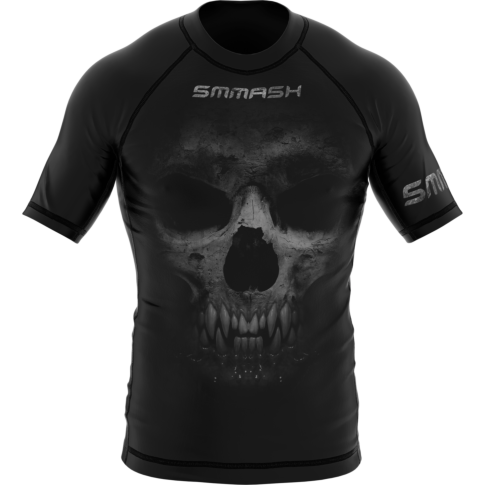 RASHGUARD WITH SHORT SLEEVES RASHGUARD MMAAs low as €26.99 Regular Price €51.90
-
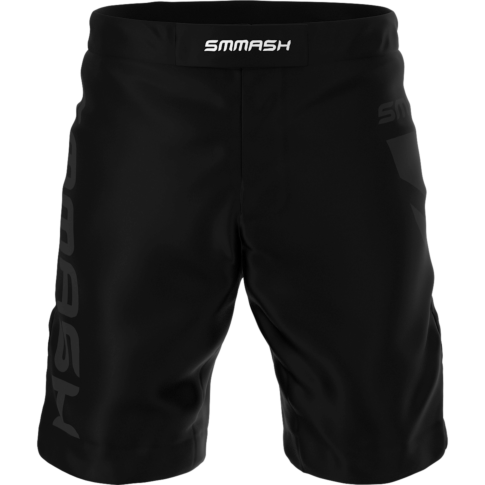 MMA PRO SHORTS MMA TRAINING SHORTS EXTRA STRONGAs low as €39.99 Regular Price €65.90
-
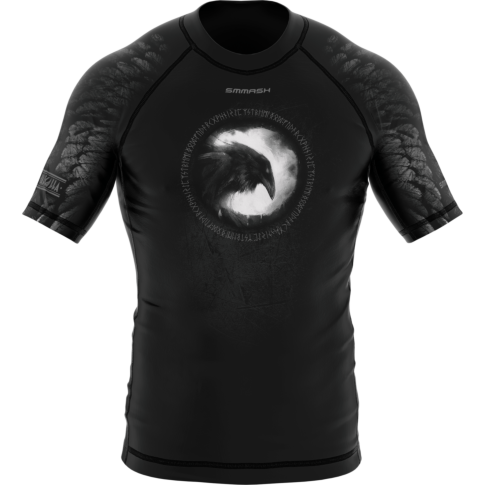 RASHGUARD WITH SHORT SLEEVES RASHGUARD MMAAs low as €26.99 Regular Price €51.90
-
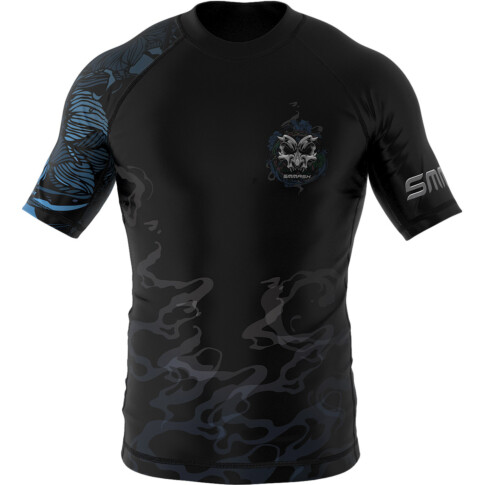 RASHGUARD WITH SHORT SLEEVES RASHGUARD MMAAs low as €26.99 Regular Price €51.90
-
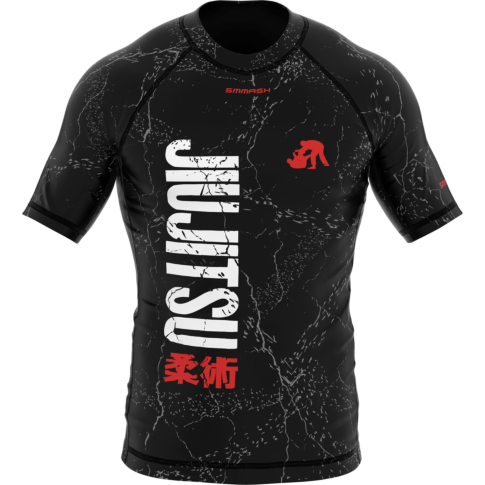 RASHGUARD WITH SHORT SLEEVES RASHGUARD MMAAs low as €26.99 Regular Price €51.90
Who can take part in MMA fights? Weight classes.
Both men and women take part in this type of competition. The two groups are classified not only by gender (men fight separately from men and women separately from women). The fighters’ weight also plays an important role.
As in many other sports of this kind, there is also a division into weight classes. It is worth knowing, however, that (unlike, for example, boxing) it is not uniform across all federations. The most popular division among men includes 9 weight classes, such as:
- Super heavyweight - over 120 kg
- Heavyweight - up to 120 kg
- Light heavyweight - up to 93 kg
- Middleweight - up to 84 kg
- Welterweight - up to 77 kg
- Lightweight - up to 70 kg
- Featherweight - up to 66 kg
- Bantamweight - up to 61 kg
- Flyweight - up to 57 kg
- Strawweight - up to 52 kg
- Atomweight - up to 48 kg
For women, the division is adjusted to their characteristics, so it usually includes a few fewer classes. These may include, for example:
- Lightweight - up to 70 kg
- Featherweight - up to 66 kg
- Bantamweight - up to 61 kg
- Flyweight - up to 57 kg
- Strawweight - up to 52 kg
Which disciplines make up mixed martial arts?
The name mixed martial arts is no coincidence. As you have probably already noticed, this discipline owes it above all to the fact that it draws the best elements from many different martial arts. Essential parts of MMA are fighting on the feet and on the ground, which naturally involves exchanges of traditional punches, kicks, holds, throws and many others. Fighters competing in MMA very often come from disciplines such as boxing, kickboxing, jiu-jitsu, judo, sambo, wrestling and even karate.
The so-called styles in MMA can therefore be divided into 3 main types:
- Wrestling (wrestling), which is based, among other things, on clinch fighting, takedowns and delivering strikes on the ground.
- Grappling, which is mainly about ground fighting aimed at forcing the opponent to submit using chokeholds or various types of joint locks.
- Striking, which focuses in particular on stand-up fighting based on delivering numerous kicks and punches.
Many fighters specialise in a specific fighting style. However, the best in this field aim to achieve the greatest possible versatility.
Rules, or what is allowed and what is forbidden in MMA?
The exact guidelines on what is allowed during fights and what should be avoided depend on specific federations. The vast majority ban the most dangerous actions, including: biting, scratching, striking the genitals, blows to the back of the head, eyes and throat, as well as headbutting. Some “moves” are legal, but only in specific situations. One example is kicks, which cannot be delivered when the opponent is on the ground.
As for what is “allowed”, this category includes: punches, elbow strikes, knee strikes and kicks, applying joint locks, chokes, as well as throws.
Rankings and trophies in MMA – what are fighters competing for?
Selected federations run their own fighter rankings, within which points are awarded for the classification. Winning a bout most often also means moving up. Losing most often results in dropping down the rankings.
Fighters who occupy the top positions in individual weight classes compete for championship titles - most often in the form of belts - as well as substantial financial rewards.
MMA federations around the world
Nearly 30 years after its debut, mixed martial arts gained popularity among both fighters and fans, which naturally also translated into the creation and continued development of organisations.
Today, practically every continent has one, and sometimes several, federations that organise MMA events.
In the USA, there are two of the best-known organisations, which also have global reach: the already mentioned UFC and the federation Bellator MMA. In Asia, there is One Championship, while in Europe there are: Polish KSW and Cage Warriors.
MMA federations in Poland
MMA events in Poland are organised by several entities, among which KSW (Konfrontacja Sztuk Walki) is by far the leading one. It is worth noting here that it is also the pioneer of this type of sport in our country and one of the leading MMA federations in Europe as a whole.
Other MMA federations that can be regarded as professional are: FEN (Fight Exclusive Nigdy), as well as Babilon MMA. Why “professional”? Namely, apart from organisations bringing together professional fighters, there are also the so-called freak fight federations in Poland. In their case, the main actors of the show (read: participants in fights in the octagon) do not have to be experienced fighters at all. Quite the opposite! Very often, they are people who have very little to do with sport, including YouTubers, influencers, musicians, actors and all kinds of celebrities.
This type of freak fight federation includes, among others: FAME MMA, High League, Prime Show MMA, MMA-VIP, Clout MMA and many others.
Now that we have discussed the individual organisations, it is time to take a look at the main authors of every spectacle - the fighters who take part in this kind of competition.
MMA fighters around the world
By far the most recognisable fighter who significantly contributed to the worldwide popularisation of this sport is, of course, Conor McGregor. Other names worth knowing and recognising include: Israel Adesanya, Charles Oliveira, Alex Pereira, Jon Jones, Alexander Volkanovsky and Kamaru Usman. Most of them are fighters competing in the biggest federation in the world, UFC.
MMA fighters in Poland
Among the top fighters representing our country, we can include Jan Błachowicz, Marcin Tybura and Mateusz Gamrot, who currently compete in UFC.
This distinguished group also includes Michał Materla, Marcin Pudzianowski, Borys Mańkowski and Damian Janikowski - fighting for KSW. Other names from the Polish MMA scene worth knowing are Joanna Jędrzejczyk, Artur Sowiński and Marcin Różalski.
MMA training – how to start and continue a fighter’s career?
Due to the broad range of techniques used in this type of bout, MMA training should be as comprehensive as possible - taking into account both stand-up work and coping during bouts fought on the ground.
Individual classes very often take the form of exercises that include the martial arts mentioned above (for example boxing, Brazilian jiu-jitsu, wrestling and many others). In MMA, conditioning plays a particularly important role. That is why a key element of preparation should be training focused on building endurance (especially interval-based training). Besides this, technique training also matters and, very importantly, sparring with other fighters.
It is worth taking your first steps in this sport under the guidance of experienced coaches.

-
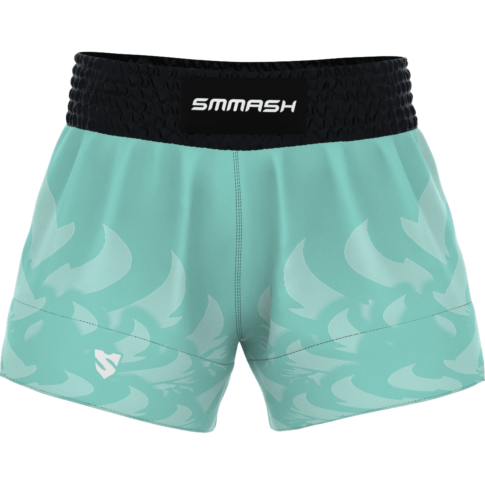 MUAY THAI SHORTS MUAY THAI SHORTSAs low as €31.99 Regular Price €62.90
-
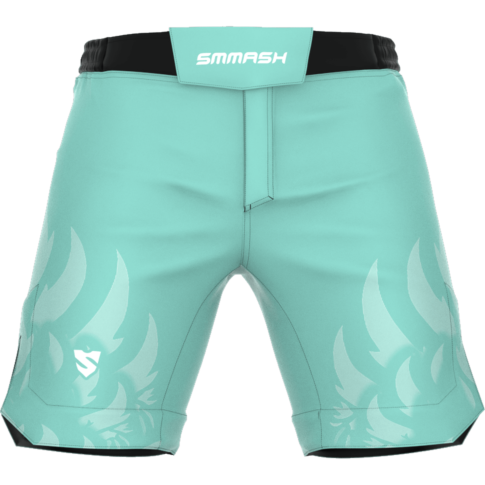 MMA SHORTS ULTRALIGHT MMA SHORTS ULTRALIGHTAs low as €48.99 Regular Price €62.90
-
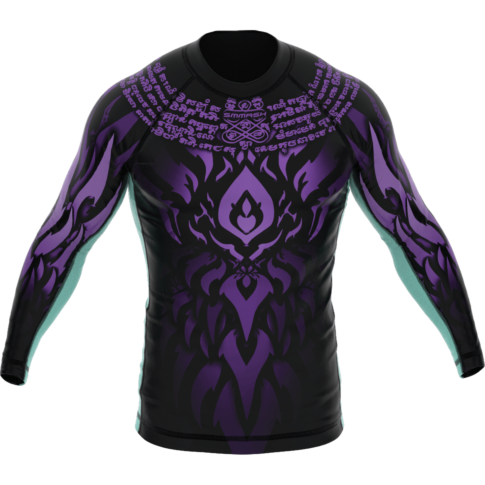 RASHGUARD WITH LONG SLEEVES RASHGUARD WITH LONG SLEEVESAs low as €29.99 Regular Price €53.90
-
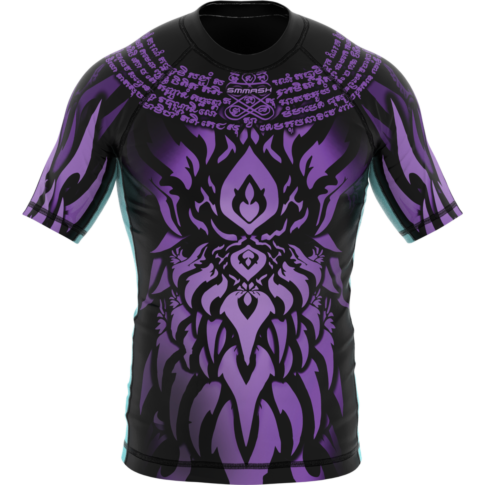 RASHGUARD WITH SHORT SLEEVES RASHGUARD WITH SHORT SLEEVESAs low as €26.99 Regular Price €51.90
-
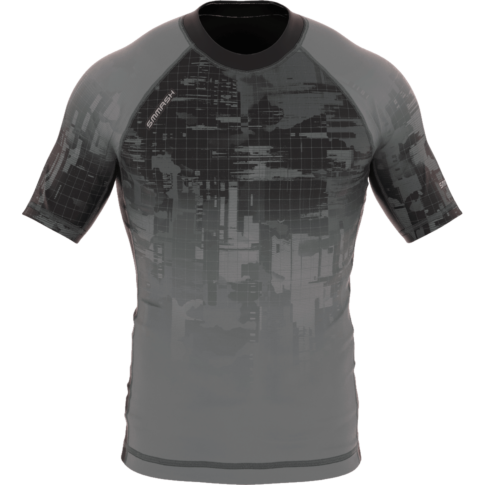 RASHGUARD WITH SHORT SLEEVES RASHGUARD WITH SHORT SLEEVESAs low as €26.99 Regular Price €51.90
-
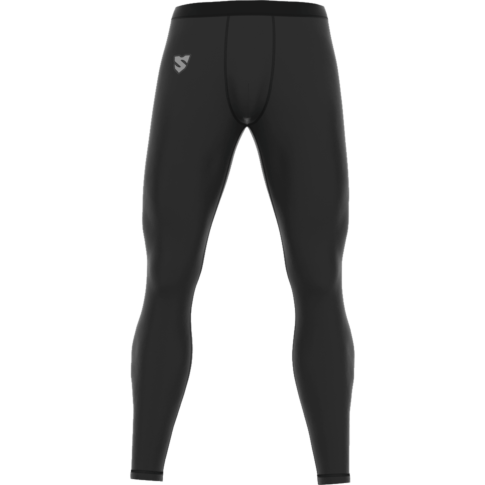 MEN'S LONG LEGGINGS MEN'S LONG LEGGINGSAs low as €23.99 Regular Price €56.90
-
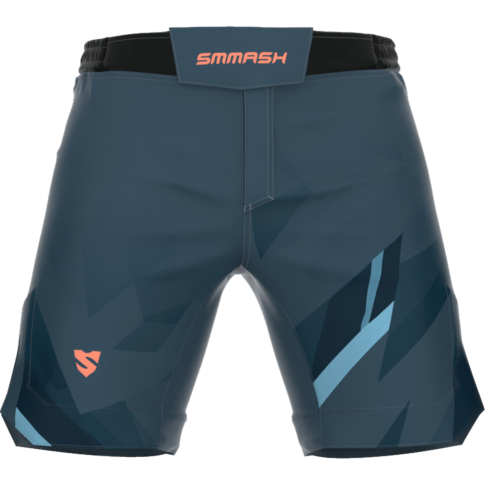 MMA SHORTS ULTRALIGHT MMA SHORTS ULTRALIGHTAs low as €48.99 Regular Price €62.90
-
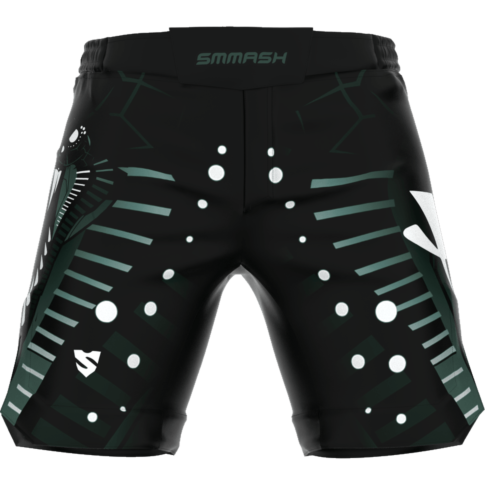 MMA SHORTS ULTRALIGHT MMA TRAINING SHORTS LIGHTWEIGHT PROAs low as €48.99 Regular Price €62.90
What clothing works well for mixed martial arts?
MMA clothing can be divided into two main groups:
- Sportswear used during training. This category includes rashguards, leggings and shorts. Wearing them provides comfort during exercise and, in addition, protects against abrasions and other bodily injuries.
- Sports outfits worn in competition. In this case, MMA clothing is usually limited to shorts or short leggings only.
In addition, fighters taking part in MMA bouts are required to wear appropriate gloves and mouthguards. Footwear is not popular, as most athletes fight barefoot.
Looking for MMA clothing that will work well both in competition and during training?
Visit the online store SMMASH, where you will find a wide range of products to help you easily put together your kit. Among other things, you will find a broad selection of rashguards (long- and short-sleeved), leggings and training shorts - in many pattern and colour options.
Looking for MMA clothing that stands out? Design it yourself! For this purpose, you can use the intuitive X-CREATOR tool, which lets you choose a specific cut, define the pattern, match the colours and... create one-of-a-kind products.


