
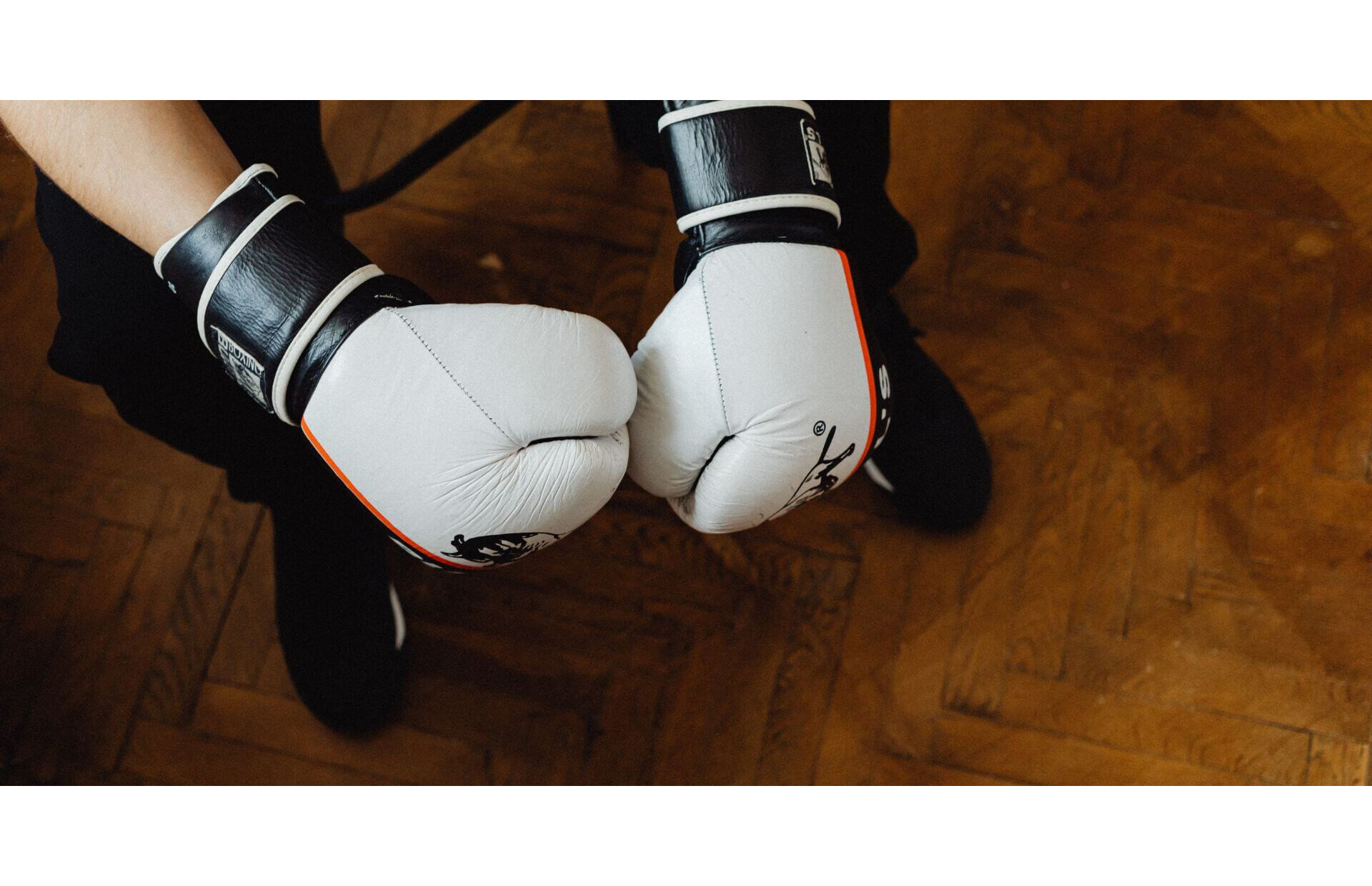
Kickboxing - what is it? Rules and how to get started.
What is kickboxing? Description and history of this combat sport.
Kickboxing is a dynamic combat sport that combines boxing techniques with kicks borrowed from Asian martial arts. It originated in the 1960s, when Japanese karate practitioners wanted to test their skills against American boxers.
Its official 'fathers' are considered to be the Japanese Tatsuo Yamada and the American Bill Superfoot Wallace, as well as Osamu Noguchi, who combined karate techniques with classic boxing. Initially, kickboxing developed along two paths – in Japan as K-1, and in the USA as full contact karate.
Over time, the sport evolved, creating different fight formats tailored to fighters' preferences and audience expectations. Today, international organisations oversee the development and standardisation of its rules.
Rules in kickboxing - how a bout unfolds and how it can end
Kickboxing follows strictly defined rules that vary depending on the format:
- In full contact, punches and kicks above the waist are allowed.
- Low kick allows attacks to the opponent's legs.
- The K-1 format goes a step further, allowing knee strikes and clinching.
A standard bout consists of 3 - 5 rounds, each lasting 2 - 3 minutes (with 1-minute breaks). Fighters score points for accurate strikes, and judges assess technique, power and control of the bout.
A fight can end before time by: knockout (KO); technical knockout (TKO), when a fighter is unable to continue; and disqualification (for breaking the rules - for example, striking the back of the head or below the belt). If there is no finish before the final bell, the result is decided by the total number of points awarded by the judges.
How are weight classes divided?
As in other combat sports, fighters compete in weight classes to ensure fair conditions. For men, the standard categories are:
- Flyweight (up to 51 kg)
- Bantamweight (up to 54 kg)
- Featherweight (up to 57 kg)
- Lightweight (up to 60 kg)
- Welterweight (up to 67 kg)
- Middleweight (up to 75 kg)
- Light heavyweight (up to 81 kg)
- Heavyweight (up to 91 kg)
- Super heavyweight (over 91 kg)
For women, the following are distinguished:
- Atomweight (up to 48 kg)
- Flyweight (up to 52 kg)
- Bantamweight (up to 56 kg)
- Featherweight (up to 60 kg)
- Lightweight (up to 65 kg)
- Welterweight (up to 70 kg)
- Middleweight (up to 75 kg)
- Heavyweight (over 75 kg)
Interesting fact: exact weight limits may vary slightly depending on the federation organising the competition. Youth and junior divisions also have modified categories adapted to age and physical development.
Accessories and clothing. What do kickboxing athletes need?
The basic element of a kickboxer's kit is, of course, gloves, weighing from 10 to 16 ounces (depending on the athlete's weight and the type of training). For training, you also need hand wraps, which protect the wrists and knuckles from injury. The following are also mandatory pieces of equipment:
- Mouthguard.
- Groin protectors - for both men and women.
- Elastic shin and foot guards, especially useful during sparring.
As for clothing, the standard is short fight shorts (Thai or classic boxing style) and a light, close-fitting T-shirt or rashguard that wicks away sweat. On the feet, special combat sports shoes are worn in full contact formats, while in other formats training is done barefoot on the mat. For women, a sports bra with strong support is also essential.
Techniques used during a fight
The basis of kickboxing is a balanced fighting stance – feet set wider than shoulder-width apart, hands protecting the head, body weight distributed evenly across both legs. The arsenal of hand techniques includes:
- Jab – a quick straight punch with the lead hand.
- Cross – a powerful straight punch with the rear hand.
- Hook – a hook from the side.
- Uppercut – an upward punch from below.
The kicking techniques include:
- Front kick – a straight kick.
- Roundhouse kick – a round kick to the body or head.
- Side kick – a side kick.
Beginner athletes very often make mistakes, including dropping their guard, straightening their legs, and forgetting to rotate the hip during kicks. Effective training is based on combining these techniques into logical combinations, which takes time and regular repetition.
Kickboxing training - what does it look like? What is the best way to start?
Choosing the right kickboxing club is the first step in your journey with this combat sport. Look for places with experienced coaches holding certificates from recognised organisations.
Pay attention to the atmosphere. A good club should be beginner-friendly, while also maintaining a professional approach. Before signing up, make sure to watch a few classes as an observer, or better still, try a trial session. Check the condition of the equipment, the cleanliness of the gym, and the level of safety during sparring.
Listen to the opinions of other trainees and do not be tempted solely by a low price. A good coach is an investment in your health and skills. At first, classes will focus on the basics – footwork, guard and simple techniques, while sparring will only come once you have mastered the fundamentals.
Boxing vs kickboxing - what is the difference?
The main difference between boxing and kickboxing is obvious from the name itself – in kickboxing, you can use your legs! In boxing, the fight is limited only to punches above the waist, while kickboxing allows kicks at different heights (depending on the format).
This fundamental difference affects the technique, tactics and physical preparation of athletes. Boxers usually adopt a tighter guard, protecting the head more heavily, while kickboxers need to keep a greater distance in order to kick effectively.
Other key differences:
- Professional boxing matches take place in a ring, usually over a distance of 4 to 12 rounds - 3 minutes each.
- Amateur boxing is fought over 3 rounds of 3 minutes.
- Kickboxing – depending on the format – may take place in a ring or a cage, most often over 3 - 5 rounds.
The scoring system also differs. In kickboxing, kicks are usually scored higher than punches. Finally, protective gear in kickboxing must include leg protection, which boxing does not require.
Why is it worth it? Benefits of practising kickboxing.
Kickboxing is not only about learning to fight, but above all a full-body workout. Regular training significantly improves cardiovascular fitness – an hour of intense exercise allows you to burn 500 to 800 calories, depending on the intensity of the training and the trainee's weight!
Dynamic kicks strengthen the leg and glute muscles, while punches build a strong core and arms. Beyond the physical benefits, kickboxing also has a great effect on mental wellbeing – it reduces stress by releasing endorphins and builds self-confidence.
The precise coordination of movements required for punch combinations improves concentration and reflexes, which translates into everyday functioning. Additionally, learning real self-defence techniques gives a sense of security, especially valuable for women. Most importantly, thanks to the variety of exercises, kickboxing does not become monotonous, which helps maintain long-term motivation to train.
Looking for clothing for martial arts training?
Be sure to explore SMMASH clothing. We design our products with comfort, style and durability in mind, which is why they work particularly well across different martial arts.
You can choose from ready-made designs or create your own using the dedicated X-CREATOR tool.


