
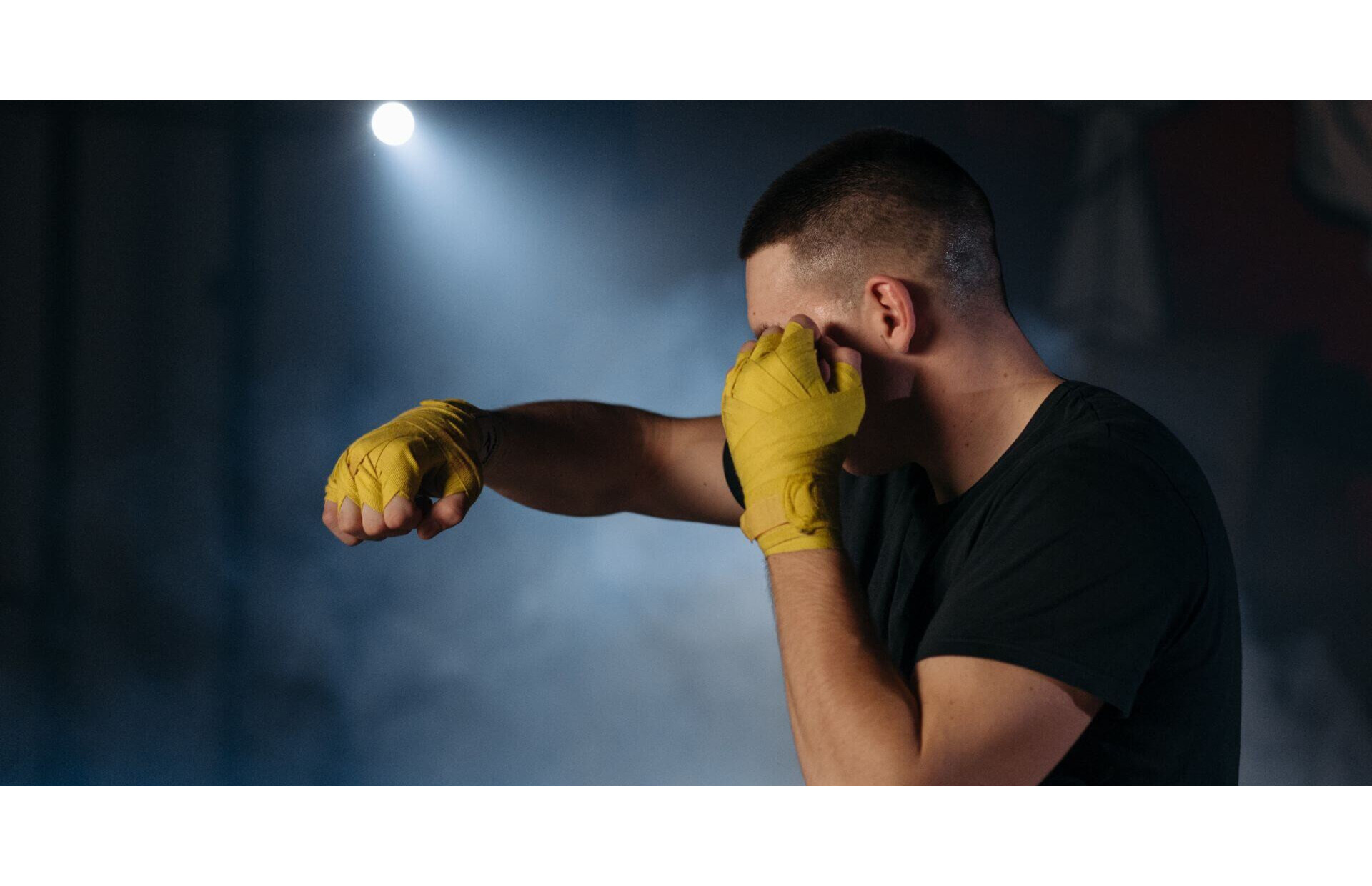
KSW - what is it? Everything about Konfrontacja Sztuk Walki.
Every true combat sports fan will easily recognise this acronym, which stands for passion, experience, commitment and love for the sport.
Want to learn more? Get to know one of the most famous MMA federations - not only in Poland or Europe, but also in the world.
What is KSW?
KSW (short for Konfrontacja Sztuk Walki) is a Polish MMA federation founded by Maciej Kawulski and Martin Lewandowski. The organisation made its debut over 20 years ago, on 27 February 2004. That was when the first official gala took place at the Marriott hotel.
Despite using the rules of mixed martial arts (mixed marcial arts), KSW bouts were initially held in a classic boxing ring. The switch to a typical MMA ring (octagon / cage) did not happen until 2014, during the 27th event of the federation. This format for staging bouts remains unchanged to this day.
Over that time, Konfrontacja Sztuk Walki has come a truly long and bumpy way. From a small gala organised in hotels or public squares, through sports halls, all the way to stadiums (including Wembley and the National Stadium). Today, it is one of the leading MMA federations not only in Poland, but also in Europe. It would not be an exaggeration to say that it also holds a steady place among the top organisations of this kind on a global scale (just behind names such as UFC).
Konfrontacja Sztuk Walki galas in Poland, Europe and around the world
In addition to organising MMA galas in the largest and most prestigious locations in Poland, KSW is also doing very well on the European stage. So far, apart from our country, events of this kind have also been held in England (London), Croatia, Ireland (Dublin), the Czech Republic and France.
-
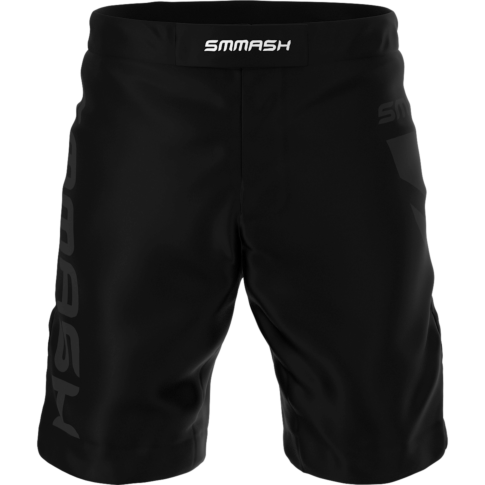 MMA PRO SHORTS MMA TRAINING SHORTS EXTRA STRONGAs low as €39.99 Regular Price €65.90
-
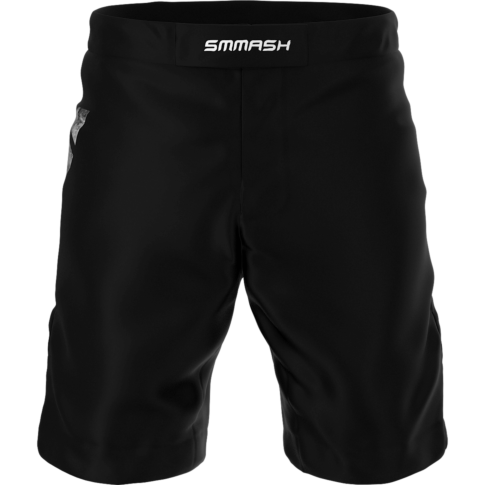 MMA PRO SHORTS MMA TRAINING SHORTS EXTRA STRONGAs low as €39.99 Regular Price €65.90
-
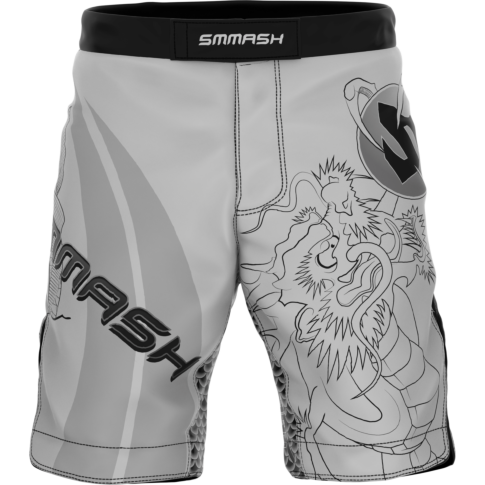 MMA PRO SHORTS SPODENKI TRENINGOWE EXTRA MOCNE MMAAs low as €39.99 Regular Price €65.90
-
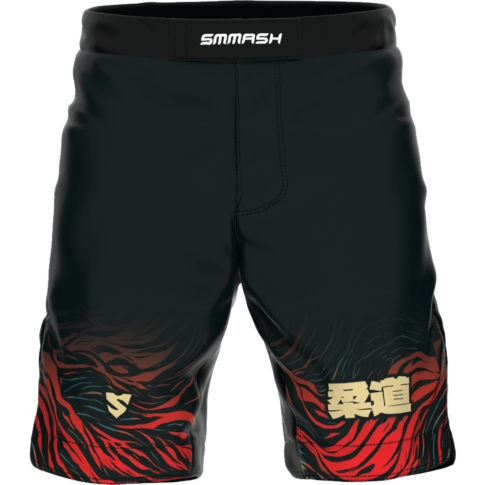 MMA PRO SHORTS MMA TRAINING SHORTS EXTRA STRONGAs low as €39.99 Regular Price €65.90
-
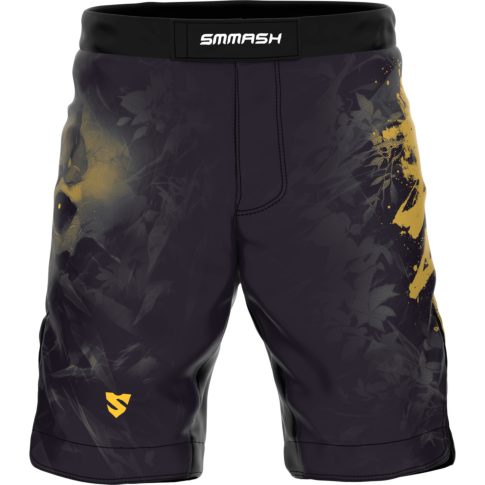 MMA PRO SHORTS MMA TRAINING SHORTS EXTRA STRONGAs low as €39.99 Regular Price €65.90
-
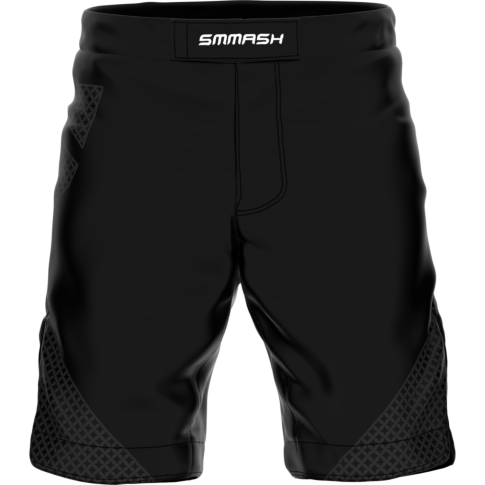 MMA PRO SHORTS SPODENKI TRENINGOWE EXTRA MOCNE MMAAs low as €39.99 Regular Price €65.90
-
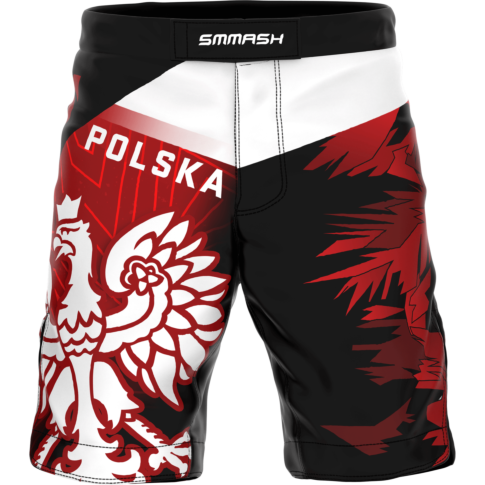 MMA PRO SHORTS MMA TRAINING SHORTS EXTRA STRONGAs low as €39.99 Regular Price €65.90
-
-
 MMA PRO SHORTS SPODENKI MMA PROAs low as €38.99 Regular Price €65.90
-
MMA PRO SHORTS SPODENKI MMA PROAs low as €38.99 Regular Price €65.90
What rules apply during KSW fights?
The federation has developed standards that describe in detail the rules for taking part in bouts, the specifications for hand wrapping, the use of protective gear and other equipment (including the choice of gloves and attire), and even how competitors should present themselves. Fights take place both standing and on the ground.
- Standard non-title fights last 3 rounds - each no longer than 5 minutes.
- Fights with the championship title at stake last 5 rounds (up to 5 minutes each).
Bouts may end before the scheduled time (for example, as a result of a knockout, submission or a referee's or doctor's decision). If no winner is determined after the regulation time, the result is decided by judges awarding points (the 10-point system applies). By their decision, the bout may be awarded in favour of one of the competitors, end in a draw, or result in a no decision.
KSW standards also define a list of fouls, which includes as many as 30 prohibited moves. Using them may result in a penalty in the form of points being deducted and, in extreme cases, disqualification.

Which divisions do the fighters compete in?
At present, fighters can compete in the following weight classes:
- Strawweight (115 pounds, or 52.2 kg)
- Flyweight (125 pounds, or 56.7 kg)
- Bantamweight (125-135 pounds, or 61.2 kg)
- Featherweight (135-145 pounds, or 65.8 kg)
- Lightweight (145-155 pounds, or 70.3 kg)
- Welterweight (155-170 pounds, or 77.1 kg)
- Middleweight (170-185 pounds, or 83.9 kg)
- Light heavyweight (185-205 pounds, or 93 kg)
- Heavyweight (205-265 pounds, or 120.2 kg)
- Super heavyweight (over 265 pounds, meaning above 120.2 kg)
KSW champions and championships
Since we are talking about divisions, we cannot skip such an important part as championships. At present, there are 8 championship belts in this federation that individual fighters can compete for. These are (for men): heavyweight, light heavyweight, middleweight, welterweight, lightweight, featherweight and bantamweight championships. Women, in turn, compete for championship belts in the strawweight and flyweight divisions.
If you want to find out who currently holds the championship belts, visit the official KSW website. As they can change quite often, we decided not to publish them here :).
Apart from belts, the federation also runs rankings in the individual weight classes, which are something of a gateway to title fights. Additional prestige for fighters comes from awards. Starting from event number 17, KSW has granted extra bonuses (financial rewards) for: best knockout of the night, best submission of the night and best fight of the night.
The most recognisable faces of KSW
Michał Materla, Mamed Chalidov, Borys Mańkowski, Łukasz Jurkowski (MMA fight commentator and host of Ninja Warrior Polska), Marcin Różalski and Jan Błachowicz are some of the most recognisable names thanks to whom Konfrontacja Sztuk Walki is where it is today. However, it would be absolutely no exaggeration to say that the biggest contribution to the federation's success (apart from the founders themselves, of course) was made by Mariusz Pudzianowski. Once a world strongman champion, he is now an MMA fighter with a very respectable record of wins to his name.
-
 RASHGUARD WITH SHORT SLEEVES RASHGUARD MMAAs low as €26.99 Regular Price €51.90
-
 RASHGUARD WITH LONG SLEEVES RASHGUARD MMAAs low as €29.99 Regular Price €53.90
-
 RASHGUARD WITH SHORT SLEEVES RASHGUARD MMAAs low as €26.99 Regular Price €51.90
-
 RASHGUARD WITH SHORT SLEEVES RASHGUARD MMAAs low as €26.99 Regular Price €51.90
-
 RASHGUARD WITH SHORT SLEEVES RASHGUARD MMAAs low as €26.99 Regular Price €51.90
-
 RASHGUARD WITH SHORT SLEEVES RASHGUARD MMAAs low as €26.99 Regular Price €51.90
-
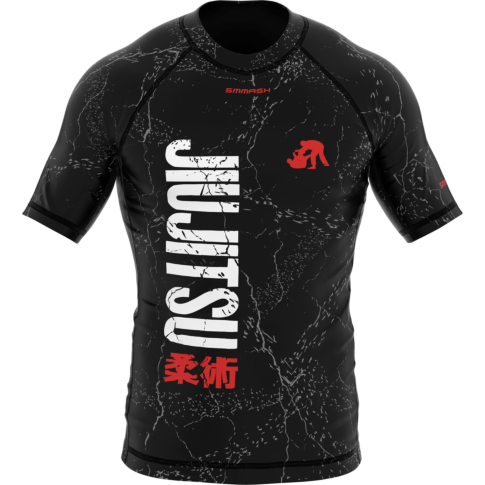 RASHGUARD WITH SHORT SLEEVES RASHGUARD MMAAs low as €26.99 Regular Price €51.90
-
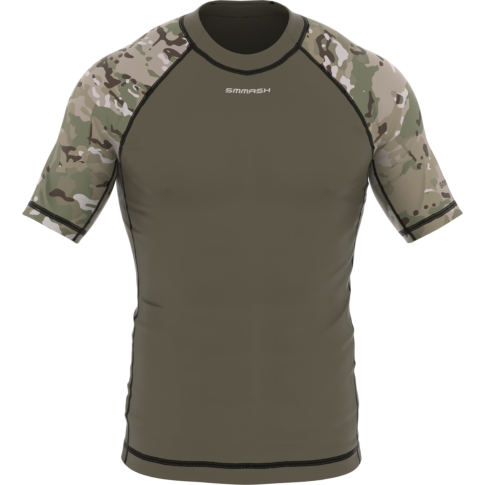 RASHGUARD WITH SHORT SLEEVES RASHGUARD MMAAs low as €26.99 Regular Price €51.90
How do KSW fighters dress?
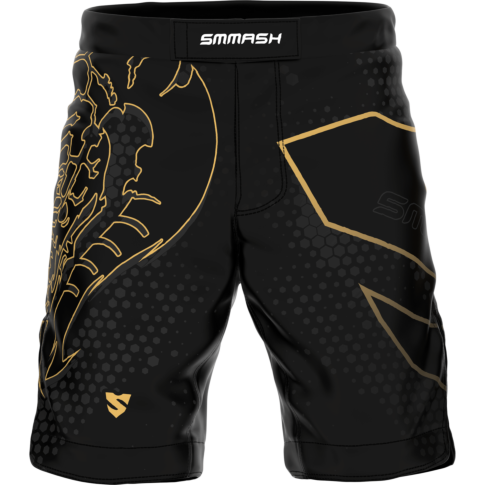
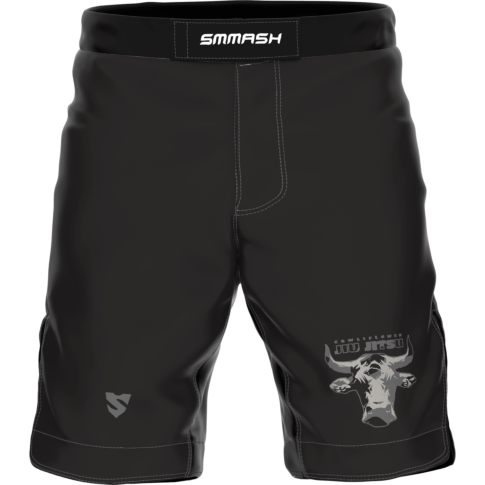
The basis of every fighter's equipment is, of course, dedicated fight gloves. Since men fight bare-chested (without shirts), the second important part of their clothing is MMA shorts. They usually come in two forms, which individual fighters choose according to their preferences. The first is classic fight shorts with a slightly looser fit. The second is short leggings that fit closely to the body.
Want to read more about mixed martial arts?
Check out our blog, where we regularly share valuable information from the world of MMA, as well as many other sports. If, apart from knowledge, you are also interested in practice - take a look at our online store, where sportswear is waiting for you. We offer rashguards, leggings, shorts and many more products that are simply ideal for combat sports!


