Jogging: what it is, effects, benefits and how to start
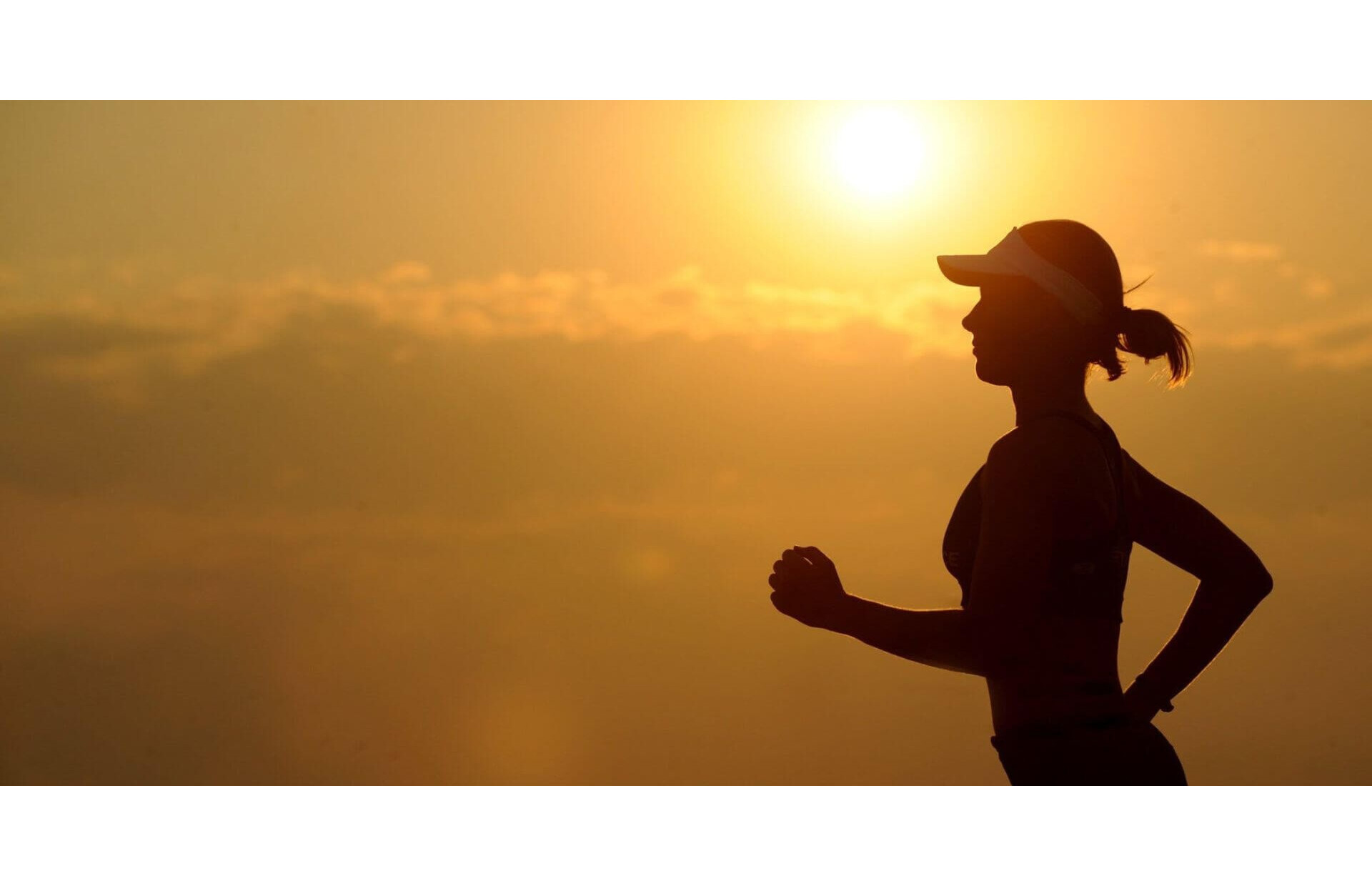
Do you want to start moving more and improve your fitness, but the idea of intense running puts you off? Did you know that running does not have to mean “going flat out”? Quite the opposite - it can take the form of a pleasant, slow run that we call an easy jog, or most often simply jogging.
Although at first glance it may seem like something only for complete amateurs and beginners, in reality everyone benefits from jogging. It works perfectly as a starting point for your adventure with sport, as well as one of the key building blocks for more advanced athletes too (and not only runners!).
Learn the definition, types and effects of jogging. Want more? Below you will also find a guide on how to begin this type of physical activity.
What is jogging?
Jogging (not to be confused with yoga!) is a type of physical activity that involves covering consecutive metres and kilometres at a slow pace. Colloquially, it is often simply called an easy jog, because in practice it is just running - only much, much… slower.
It is a form of activity that does not involve excessive physical effort. At the same time, it can significantly improve fitness, help reduce body fat, enhance your physique, and strengthen and improve muscle development. In short: jogging is an activity that has a positive effect on the body and its performance.
Jogging vs running - what is the difference?
Although both terms may seem very similar, there is one fundamental difference between them: intensity. We can describe it in 2 closely related ways, namely pace and heart rate (which increases, among other things, with movement speed).
As you probably know, when it comes to running, pace is a very broad concept. “Fast” can easily be considered anything in the range of 3:00 (or less) to around 5:30 - 6:30 minutes per kilometre.
In the case of jogging, the pace is much, much slower. That is why anything “above” 6:30 - 7:00 minutes / kilometre (that is: slower) can be classed as jogging. Well, with the possible exception of a pace at which, instead of slow but still actual running, you switch to walking or a stroll ;).
And what about heart rate? The exact values depend on your age, weight, fitness and training level. So for simplicity, we will use so-called zones.
For running, these will usually be the third, fourth and fifth zones. As you can probably guess, jogging is characterised by lower zones - usually the first and second respectively.
Types of jogging - how is it divided?
But wait! If you thought that “jogging is just jogging” and there are no major variations within it - here is a little surprise. This type of sport can actually be practised in several ways. The best-known forms of jogging include:
- Classic jogging, meaning the traditional easy jog, which probably does not need any extra explanation.
- Jogging with poles, meaning an activity in which (apart from your legs) you also engage your entire upper body. You may have come across it before under the name Nordic walking.
- Jogging with a dog, meaning a sport you can practise with your pet. Of course, provided your animal has the right predisposition for it. A little tip: chihuahuas, yorkies and even miniature pinschers are not great companions for this kind of activity. Well, unless you put them in a backpack and treat them as extra load during training. Much better companions are breeds that are used to, and above all enjoy, this type of effort.
- Slowjogging, which is really just even slower running. This topic is broad enough that we will certainly dedicate a separate article to it on our SMMASH blog in the future.
Who is jogging for?
Generally speaking, people interested in this type of activity can be divided into several main groups.
The first group includes complete beginners, for whom traditional running is still too demanding, but who want to start somewhere. Jogging is an excellent starting point for people who want to become more active, but whose lifestyle has been rather sedentary so far.
The second group is athletes - amateurs or professionals. In their case, jogging is one of the preparatory elements. It works very well for building the so-called aerobic base, which is essential in further preparation for the season. The third group is hobbyists, meaning people who simply want to move “just because” - for enjoyment :).
Jogging is a natural form of activity for runners (for example those competing in OCR races, cross-country events and more). However, it can also be successfully used as part of training in other sports disciplines (e.g. Crossfit, fitness, cycling, etc.).
-
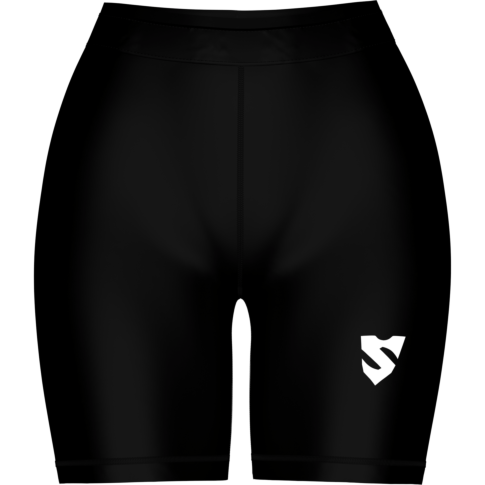 WOMEN’S ULTRA LIGHT COMPRESSION LEGGINGS LEGGINSY DO BIEGANIA I OCRAs low as €27.99 Regular Price €56.90
-
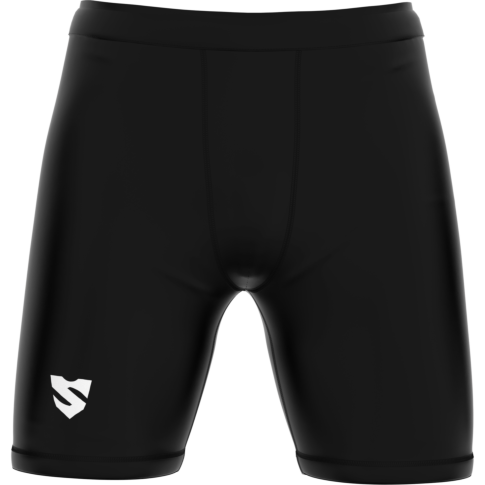 SHORT RUNNING AND OCR LEGGINGS LEGGINSY DO BIEGANIA I OCRAs low as €26.99 Regular Price €62.90
-
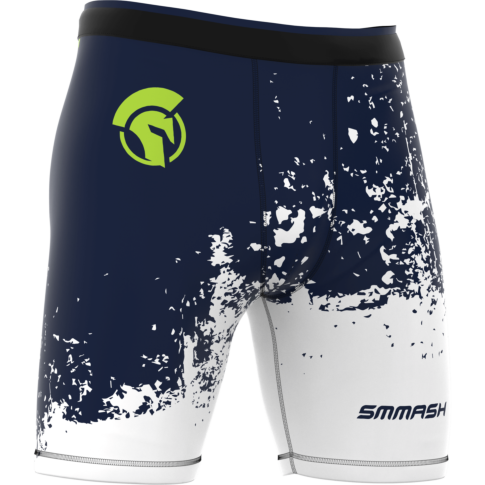 SHORT RUNNING AND OCR LEGGINGS LEGGINSY DO BIEGANIA I OCRAs low as €26.99 Regular Price €62.90
-
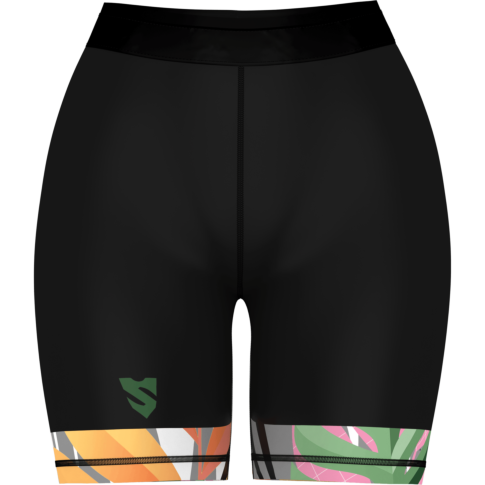 WOMEN’S ULTRA LIGHT COMPRESSION LEGGINGS LEGGINSY DO BIEGANIA I OCRAs low as €25.99 Regular Price €56.90
-
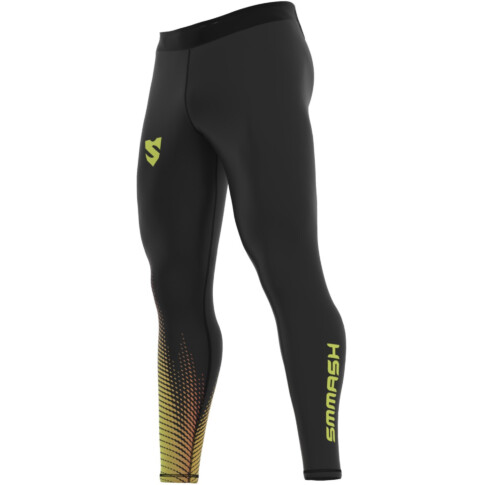 MEN’S LONG RUNNING LEGGINGS LEGGINSY DO BIEGANIA I OCRAs low as €26.99 Regular Price €56.90
-
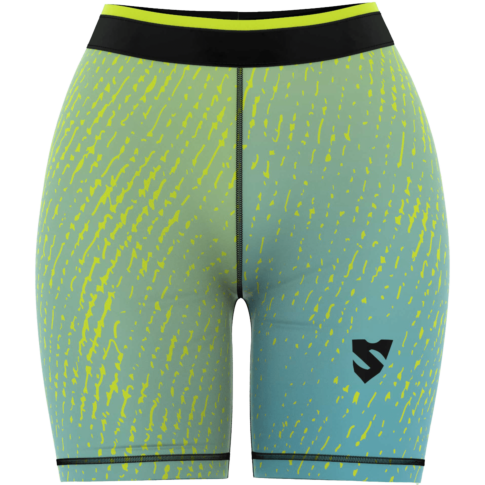 WOMEN’S ULTRA LIGHT COMPRESSION LEGGINGS LEGGINSY DO BIEGANIA I OCRAs low as €27.99 Regular Price €56.90
-
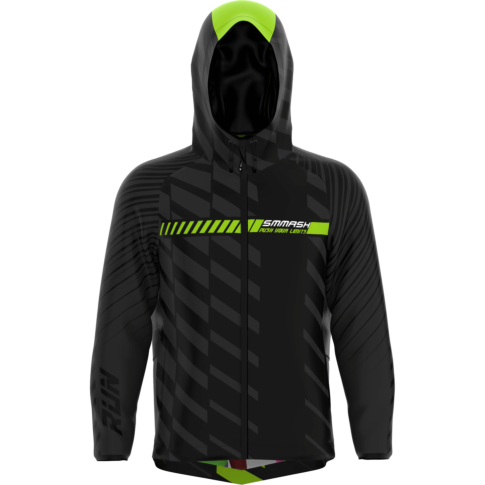 RUNNING JACKET KURTKA DO BIEGANIA I OCRAs low as €129.99 Regular Price €140.90
-
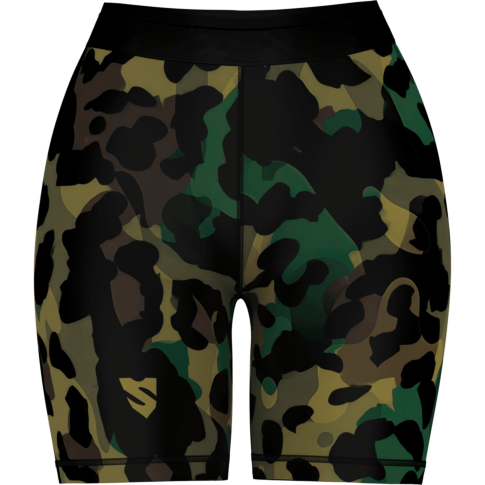 WOMEN’S ULTRA LIGHT COMPRESSION LEGGINGS LEGGINSY DO BIEGANIA I OCRAs low as €27.99 Regular Price €56.90
How to start your jogging journey?
If you are a professional or simply an amateur athlete with a lot of experience, you can skip this paragraph. We dedicated it to jogging rookies, meaning people who are just taking their first steps in this area.
If you belong to this group, follow the tips below. We are convinced that this will be the beginning of a long and beautiful journey with jogging :)!
First - match the distance to your abilities
Start with small steps. If this is your first time (or many years have passed since your last activity), begin by running a few hundred metres. If you feel good afterwards, you can try covering 1, 2 or at most 3 kilometres. Not enough? Do not worry. With each training session, you will gradually increase the distances you cover. There is time for everything.
Second - do not worry if something hurts
Muscle soreness, shortness of breath, or even a stitch. These are completely normal symptoms for people who do not move much very often. It is natural for your body to protest if you have not been giving it this kind of effort so far. The good news is that with each training session, it will get better and better.
P.S. That does not mean you should completely ignore the signals your body gives you.
Third - remember recovery
Many people tend to throw themselves in at the deep end right away. Have you not trained for several years, and now suddenly want to do 5 or 6 training sessions per week? Our advice: slow down.
Start with 2 - 3, leaving enough time for rest and recovery. Otherwise, you may end up with an injury, and your adventure with sport could be shorter than you think.
Fourth - stay consistent
Success and results come with time. That is why the worst thing you can do is give up after the first few training sessions. Make sure you keep your motivation and determination at the right level, and we guarantee that results will only be a matter of time.
Fifth - get the right outfit
Footwear and clothing will not do the training for you, but they can help you a lot. You will read in a moment about what to choose.
Benefits - why is jogging worth doing?
It would not be an exaggeration to say that jogging is a real “treat” - both for the body and the mind. Apart from the obvious sporting benefits (fitness, physique, weight), this type of activity also affects our wellbeing. Read more about its effects below.
What are the effects of jogging?
It looks like we have already covered the theoretical part of this article. You are probably wondering what benefits this type of activity offers. Right? If so, let us not keep you waiting any longer. Jogging is a great way to spend your free time because it:
- Helps burn calories and, as a result, reduce excess body fat. If you stay consistent and also take care of a proper diet, the first effects in the form of losing extra kilos will appear very quickly.
- Improves fitness and endurance, which allow you to achieve increasingly better results (cover more km, do it in less time and get less tired in the process).
- Strengthens muscles and slims the figure.
- Provides a powerful boost of dopamine and endorphins, which improve your mood, add energy and motivation, and contribute to better wellbeing.
How many calories does jogging burn?
The exact number of calories (kcal) you can burn during one training session depends on many parameters. It can be compared to calorie burn in classic running, which is affected by weight, height, speed and distance. Therefore, instead of going into detail here, let us immediately encourage you to read the article that has already appeared on our blog: How many calories does running burn?
We are convinced that you will find all the necessary information there.
How should you dress for jogging? Clothing selection rules.
Shoes are the absolute foundation. Match them to the shape and size of your feet, the season, and the surface you will be moving on. If your regular jogging routes mainly consist of pavement or asphalt, go for footwear with a flatter sole. If you are planning activity off-road, shoes with an aggressive tread will definitely be a better choice.
Do not forget about the right level of cushioning either, which is worth matching both to your preferences and to the distance. The more kilometres you plan to cover, the better greater cushioning (that is, a higher sole) will perform.
Choosing the right sportswear for this type of activity depends mainly on 2 factors: the season and the weather conditions.
- When it is relatively warm outside, you can easily stick to shorts and a T-shirt or tank top.
- When it gets a bit cooler, a long-sleeve rashguard and long running trousers are a good solution.
- If you prefer being active when it is freezing outside, definitely go for extra layers in the form of a sports jacket and accessories (hat, snood, gloves).
You will find all of the items mentioned, and many more pieces of sportswear, in our SMMASH store. The range includes options for both women and men - in dozens of designs, cuts and colours to choose from. Just take a look at our online shop and you will certainly find something for yourself!
Personalised clothing for jogging? Why not?!
Do you care about clothes that fully reflect your personality and are exactly the way you want them? For occasions like this, we created X-CREATOR, a configurator that lets you personally design your own clothing for jogging and beyond. With its help, you can choose the cut, create your own pattern, select colours, and then efficiently order the set you have created. Click through to the SMMASH creator and become the designer of your own sportswear, even if only for a moment!
-
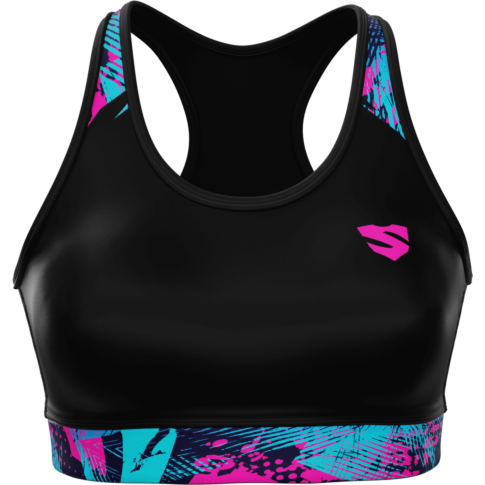
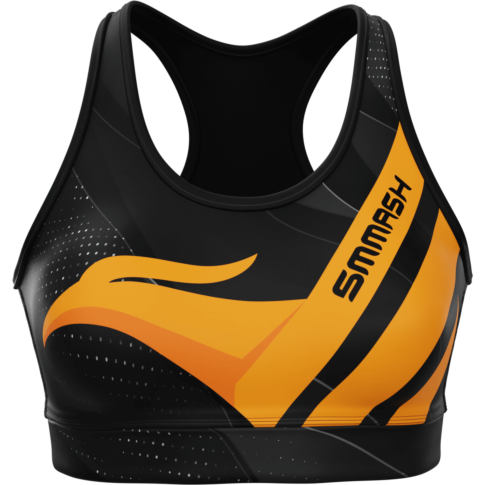
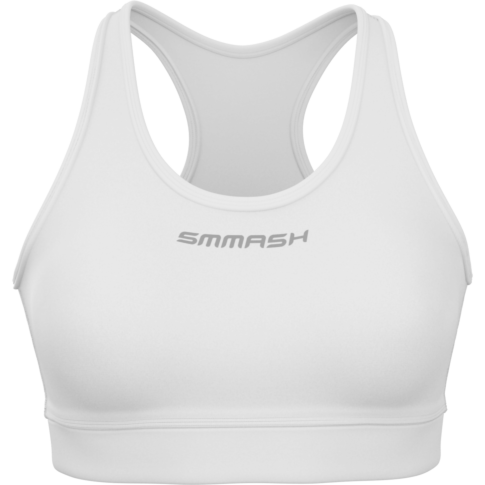
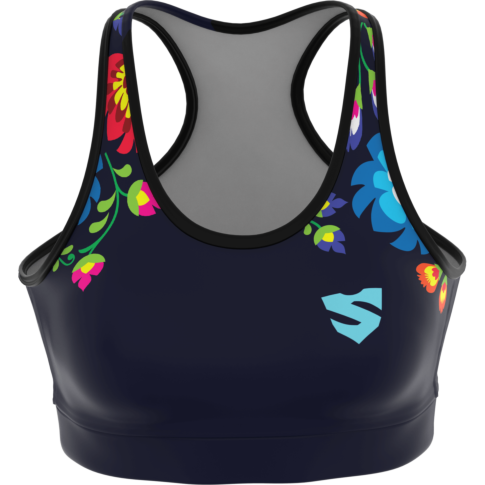
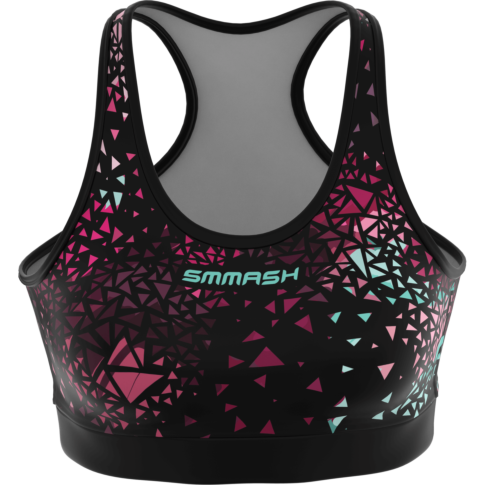
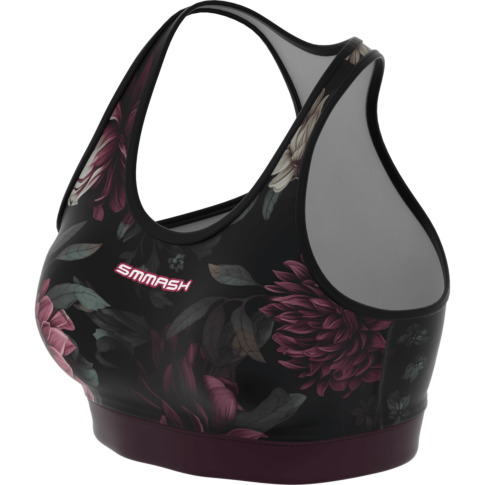 WOMEN’S SPORTS BRA / TOP SPORT TOPAs low as €19.99 Regular Price €48.90
-
-
-
-
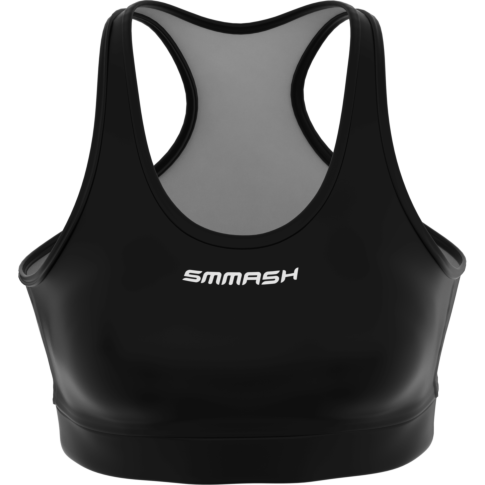
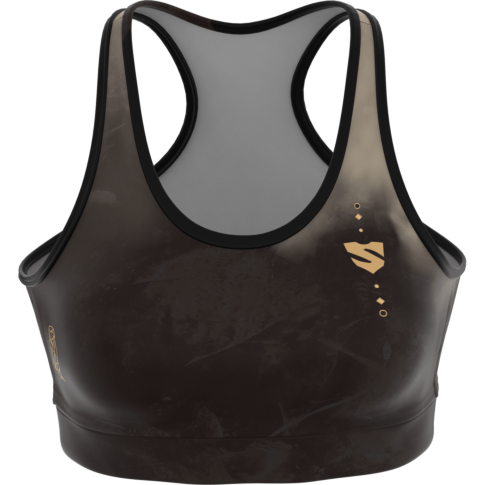 WOMEN’S SPORTS TOP TOP SPORTOWYAs low as €19.99 Regular Price €48.90
-
-
-