

Spartan Race - what is it? Everything about the race, formats and rules.
Worldwide, it is a true sporting phenomenon that attracts hundreds of thousands of fans of extreme challenges every year from America, Europe, Asia and even Africa. In Poland, it has been “overshadowed” by a bigger player (RMG) and by the fact that events under its banner have not been held in our country for quite some time. Despite all this, it still has plenty of devoted supporters who are willing to travel hundreds or even thousands of kilometres to take part. You have probably already heard of the Spartan Race obstacle run. If not, you have a perfect opportunity to learn about it - right now.
Want to find out what Spartan Race is? In this article, you will find all the key information - from its history, through distances, locations and formats, to the rules and a guide on how to prepare for it. So, what do you say? Let’s not drag it out and get started!
What is Spartan Race?
It would not be an exaggeration to say that Spartan Race is the best-known obstacle race (OCR) in the world. Yes, in Poland the leading OCR event has for years been our home-grown Runmageddon. However, on a global scale, first place unquestionably belongs to the iconic, almost legendary Spartan.
Spartan Race is an obstacle race whose beginnings (still under the name “Death Race”) date back to 2007. Under its current name, the event debuted a few years later, in 2010. The distinctive features of Spartan events are:
- Very attractive locations - by this we mean not only the full range of regions (from North America and South America to Europe, Africa and even Asia). Spartan also offers huge variety in race routes, which, depending on the location, can lead through forests, swamps, mountains, meadows, fields, cities, stadiums and even deserts.
- Unique obstacles - the race offers many challenges known from other OCR events (multi-rigs, balance obstacles, walls, weights, etc.). At the same time, it also has plenty of distinctive features that are characteristic exclusively of this type of event.
In addition to exceptional views, its iconic atmosphere, the opportunity to test yourself and memories that last for years - every competitor also receives a medal (awarded after crossing the finish line).
Spartan formats. Which races can you take part in?
Just like many other OCR races, this global giant also offers several competition formats. The most popular include:
- Spartan Sprint, an obstacle race held over a distance of about 5 kilometres, with around 20 obstacles of varying difficulty along the route.
- Spartan Super, whose course is about 10 kilometres long and packed with up to 25 diverse obstacles.
- Spartan Beast - 21 kilometres and 30 obstacles.
The above formats make up the “classic Spartan” set and are included in the so-called Trifecta. For those unfamiliar with it - Trifecta is a special medal made up of 3 separate mini medals. To complete it, you need to take part in and finish the three routes listed above within the same year.
Apart from these, Spartan Race also offers several other variants, including:
- Spartan Ultra, the most demanding challenge - and get this… 50 kilometres with as many as 60 obstacles.
- Spartan City, a race held in the city - usually over distances of 3 to 5 km and with around 20 obstacles.
- Spartan Stadion, a sister race to the classic Sprint - with the difference that the arena is sports venues (stadiums).
An alternative to all the options listed above is Spartan Trail. This is a typical trail run held on Spartan routes - with the difference that participants do not have to overcome obstacles :).
Spring, summer, autumn or maybe winter?
Events take place all over the world and all year round, which means Spartan participants face not only different terrains and locations, but also… weather conditions.
Traditional races include those held in moderate temperatures (sometimes accompanied by rain and mud). Courses through snowy terrain also seem interesting (organised mainly in the USA), as well as competitions held in scorching heat - for example, in the desert in Dubai.
Who is this race for? Categories at Spartan Race.
In this area, the event also has a lot in common with OCR races. There is a basic division into 3 groups:
- Open, the classic category aimed at everyone who wants to test themselves, have fun, but not necessarily compete at the highest level. Competitors in this category are treated with a “slight wink”. This means they can help each other, and the running pace itself is not that important.
- Elite, the category aimed at professionals who battle not only their own weaknesses, but also compete against other runners - for results. Competitors are subject to strict rules, and failure to follow them may even result in disqualification.
- Age Group, the age-based category, which follows rules similar to Elite. The difference lies in the classification method (divided by the competitor’s age).
And what about kids? The organiser has an obstacle race for them too…
… Spartan Kids! Obstacle races are becoming an increasingly popular form of fun and spending time among the youngest participants as well. The brand noticed this trend, which resulted in the creation of a separate category for kids.
Spartan Race offers as many as 3 types of these obstacle challenges, tailored to the age of young athletes. This means races are organised over:
- 800 metres (with 5 - 10 obstacles), intended for children aged 4 to 6.
- 1600 metres (with 10 - 15 obstacles), which 7/9-year-olds can take part in.
- 3200 metres (and as many as 15 - 20 obstacles), intended for children aged 10 to 14.
After completing each one, young participants are awarded medals.
Rules at Spartan Race events
Every competitor who wants to be classified must start in the wave they registered for, carry their chip and other necessary markings, and also follow the rules of the race itself. If they start in the Open category - they may use support from other runners. If in Elite or Age Group - they must complete the whole course and all obstacles on their own.
They must move according to the markings on the course. The same applies to the obstacles, which must be completed in line with the instructions described, for example, in the rulebook. At Spartan Race, there are two types of penalties for failing an obstacle:
- In Elite and Age Group categories - these are usually penalty loops, typically 100 to 200 metres long (depending on the terrain and additional difficulties such as extra weight). Sometimes there are also burpees.
- In the Open category - these are usually burpees (30 reps) or, in justified cases, penalty loops as well.
And since we are on the subject of obstacles…
-
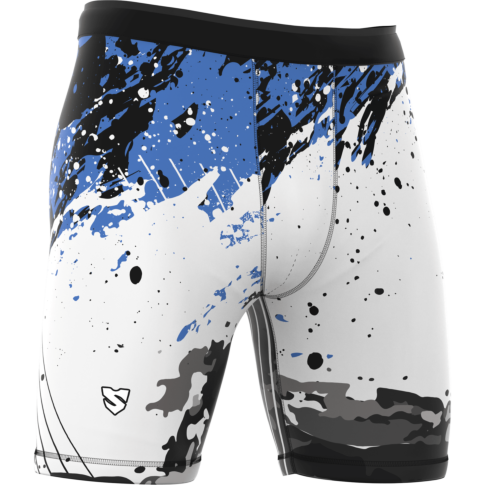 SHORT RUNNING AND OCR LEGGINGS RUNNING AND OCR LEGGINGSAs low as €26.99 Regular Price €62.90
-
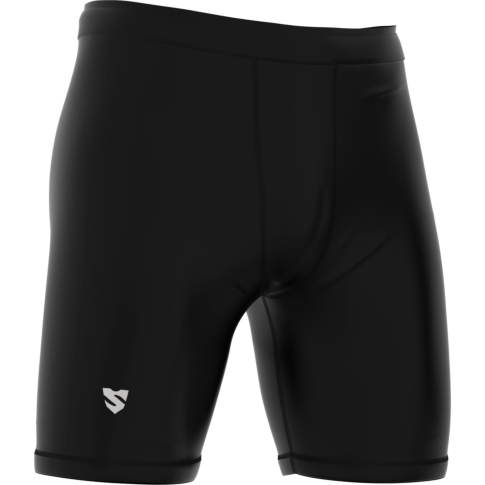 SHORT RUNNING AND OCR LEGGINGS RUNNING AND OCR LEGGINGSAs low as €26.99 Regular Price €62.90
-
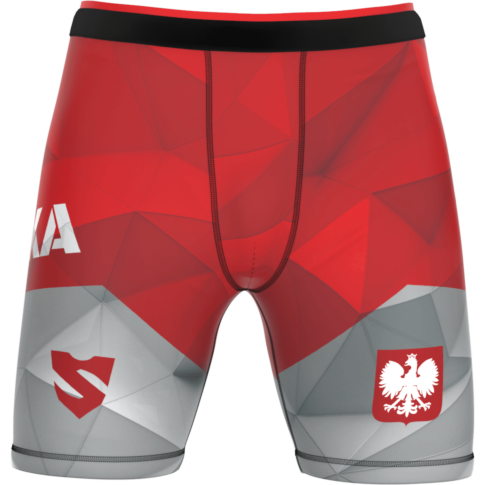 SHORT RUNNING AND OCR LEGGINGS RUNNING AND OCR LEGGINGSAs low as €26.99 Regular Price €62.90
-
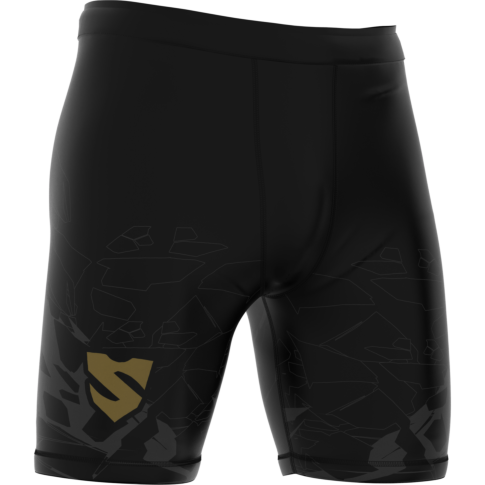 SHORT RUNNING AND OCR LEGGINGS RUNNING AND OCR LEGGINGSAs low as €26.99 Regular Price €62.90
-
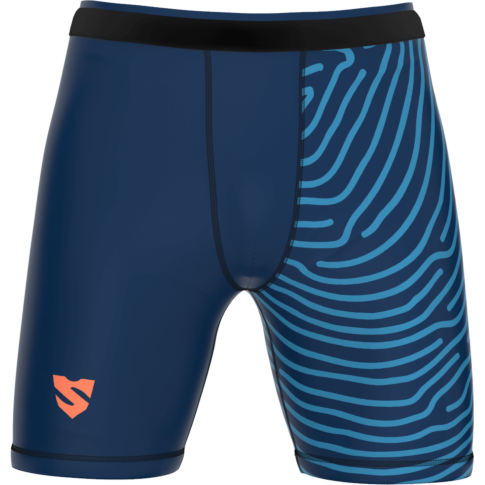 SHORT RUNNING AND OCR LEGGINGS RUNNING AND OCR LEGGINGSAs low as €26.99 Regular Price €62.90
-
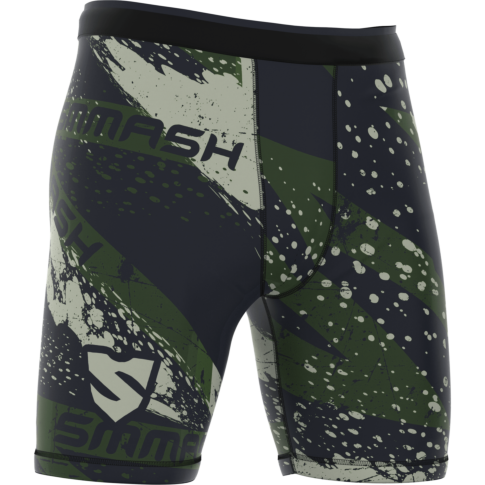 SHORT RUNNING AND OCR LEGGINGS RUNNING AND OCR LEGGINGSAs low as €26.99 Regular Price €62.90
-
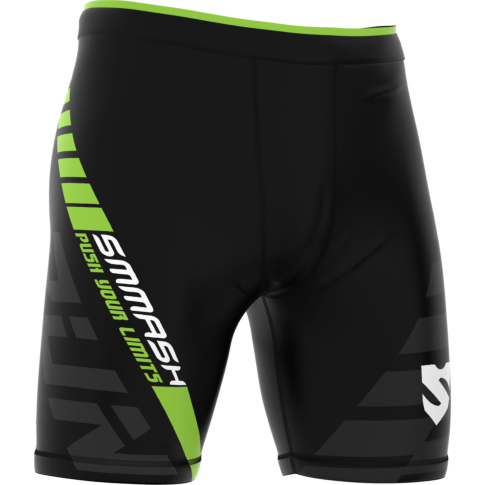 SHORT RUNNING AND OCR LEGGINGS RUNNING AND OCR LEGGINGSAs low as €26.99 Regular Price €62.90
-
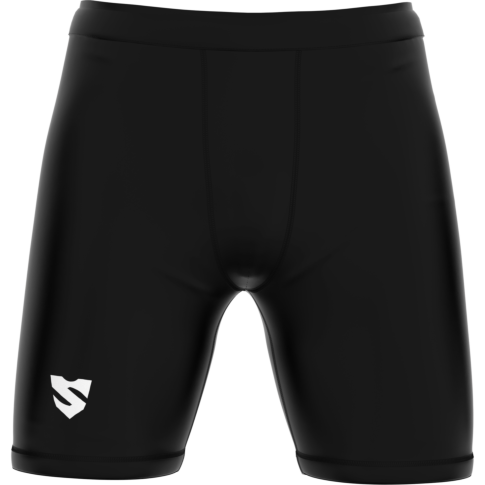 SHORT RUNNING AND OCR LEGGINGS LEGGINSY DO BIEGANIA I OCRAs low as €26.99 Regular Price €62.90
Spartan obstacles during the race. What challenges do you need to prepare for?
Classic obstacles that you will encounter at virtually every race include:
- Balance tests - in the form of walking on a rope (slack line) or along narrow boards.
- Weights - in the form of concrete balls, buckets filled with load, metal chains, sandbags, wooden beams and many others, which need to be carried from point A to point B or taken around a designated loop.
- Tyres - flipping, carrying and dragging them.
- Walls - of various heights and angles, usually to be overcome “from above” or with the help of special grips or ropes - also “sideways”.
- Metal structures - both multi-rigs and obstacles equipped with other types of grips, as well as bridges, weight pulls, rope climbs and many more.
A characteristic challenge of practically every Spartan-branded race is the spear throw. As the name suggests - it involves standing in a designated place, taking the spear and then hitting the marked target directly with it. Every competitor has only 1 attempt, and if they fail - a penalty awaits.
Spartan Race in Poland
This type of event is also highly regarded and popular among Polish OCR runners. However, if you are thinking about taking part in one in our country - unfortunately, we have bad news.
To put it mildly, Spartan Race Poland has little to boast about in this area. The last event on our soil took place a good few years ago (reportedly in Łódź), and despite loud announcements - there is no sign that anything will change in the near future. If you want to test yourself on Spartan courses - the nearest ones are in the Czech Republic.
Spartan Race in Europe
As for our continent - Spartan Race Europe definitely has more to say here. Every year, at least a few events take place in countries such as the United Kingdom, Spain, France, Germany, Switzerland, Italy, Austria, the Czech Republic, Slovakia and even the Netherlands.
Spartan Race around the world
Spartan Race is a global brand, which means you can find it not only in Europe, but all over the world as well. In 2024 alone, around 125 events are planned, also organised in Asia, Africa, South America and North America. More than half of all Spartan-branded races are held in the latter location (mainly the USA).
Spartan Race Championships - what is worth knowing?
Apart from regular events spread across the globe - the company regularly organises championship-level events. These are aimed particularly at top competitors who compete for the title of champion of Europe, America, Asia (and Australia).
To take part in them - you first need to prove yourself in classifications that take into account 3 types of events: regular races, national series, regional series and, finally - the world championships.
How much does it cost to take part in Spartan Race?
Prices for specific starts depend on the format, category, location and date. Tickets for Spartan events closest to us, i.e. in the Czech Republic, start at around 60 euro for the shortest adult distance. The longer the distance, the more expensive participation naturally becomes, and it can reach as much as 100 euro. If you want to complete the full Trifecta - you can buy a package that costs around 160 - 170 euro. Starts in children’s categories cost 20 euro, while a cross-country run (without obstacles) averages 30 euro.
If you want to know the exact ticket costs in all locations - you can find the detailed price list on the official Spartan Race website.
Spartan Race - when and where?
You will have to forgive us. There are so many races organised by this brand that we would need a separate article for that. Instead, we encourage you to visit its website, where you will find all the necessary information about locations, dates, formats and participation costs.
Events take place all year round, and in practically every month you can take part in several competitions of this kind.
How to prepare for a Spartan start?
If you are considering taking part in another challenge of this kind - then you probably already know what it involves and what you need to keep in mind. However, if you plan to do it for the first time - everything depends on your level of training. For beginners, we recommend the Open category and a start over the shorter 5-kilometre distance. Begin your preparation at least a few weeks before the planned “zero hour”. Start running, stretching and also train your grip while taking care of the overall strength of your arms and legs.
Getting ready for Spartan Race? Make sure you have the right clothing!
During the race, comfort and safety matter. That is why you should not forget about comfortable clothing. Depending on the season, temperature and weather conditions - choose trousers and tops of the right length. In lower temperatures, it is better to go for sports leggings and a long sleeve top. When it is a bit warmer (or even hot) - rashguard tops and shorts will definitely be the better choice. Footwear also plays a very important role in challenges of this kind. Choose shoes that are comfortable, provide proper cushioning and also grip the surface perfectly (read: have an aggressive tread).
In our SMMASH online store, you will find plenty of clothing to help you put together the perfect outfit for both training and competition. You can choose from ready-made designs or create fully personalised clothing. Our X-CREATOR configurator will help you with this, allowing you to design a shirt, shorts, hoodie and any other piece of clothing you like.
-
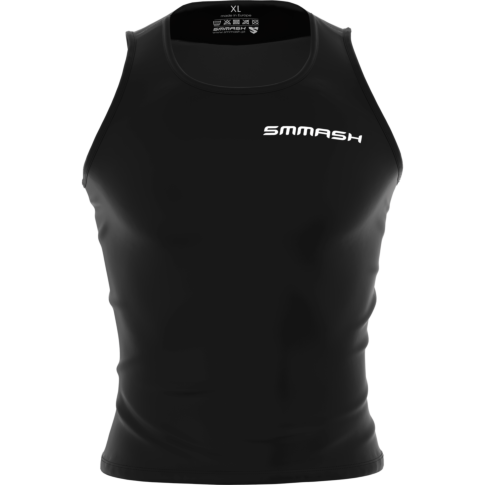 OCR ULTRA LIGHT COMPRESSION TANK TOP COMPRESSION TANK TOPAs low as €25.99 Regular Price €51.90
-
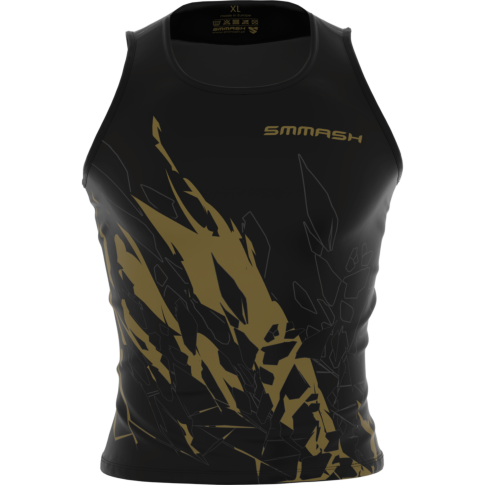 OCR ULTRA LIGHT COMPRESSION TANK TOP COMPRESSION TANK TOPAs low as €25.99 Regular Price €51.90
-
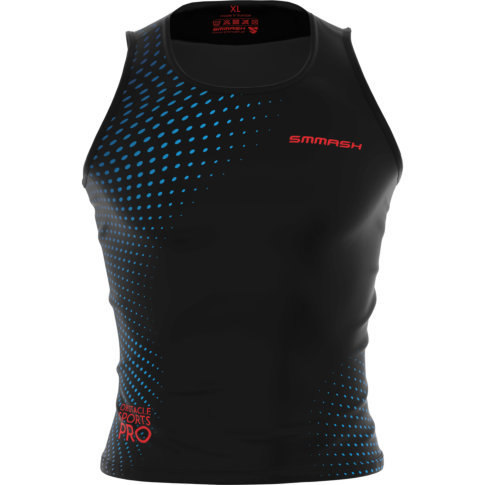 OCR ULTRA LIGHT COMPRESSION TANK TOP COMPRESSION TANK TOPAs low as €25.99 Regular Price €51.90
-
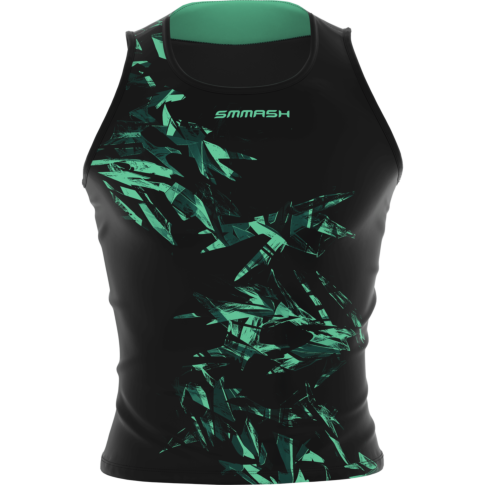 OCR ULTRA LIGHT COMPRESSION TANK TOP COMPRESSION TANK TOPAs low as €25.99 Regular Price €51.90
-
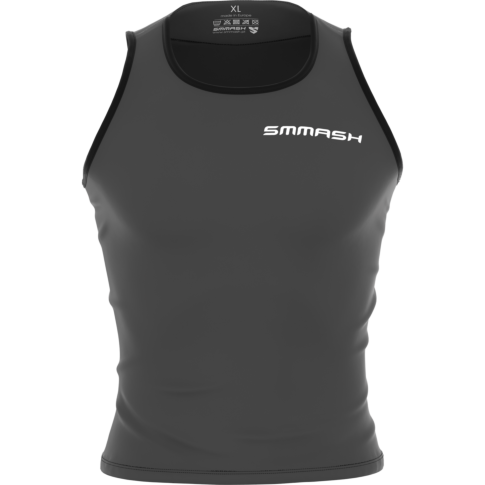 OCR ULTRA LIGHT COMPRESSION TANK TOP TANK TOP KOMPRESYJNYAs low as €25.99 Regular Price €51.90
-
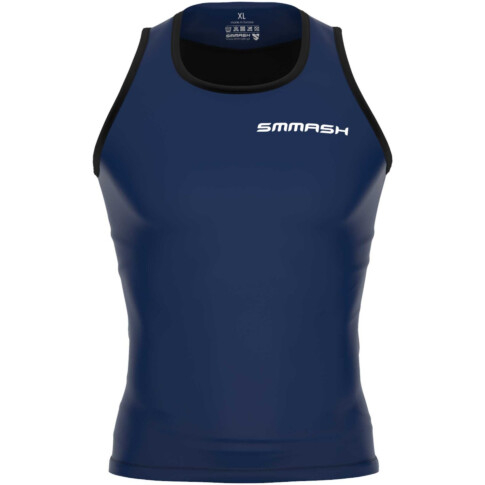 OCR ULTRA LIGHT COMPRESSION TANK TOP TANK TOP KOMPRESYJNYAs low as €25.99 Regular Price €51.90
-
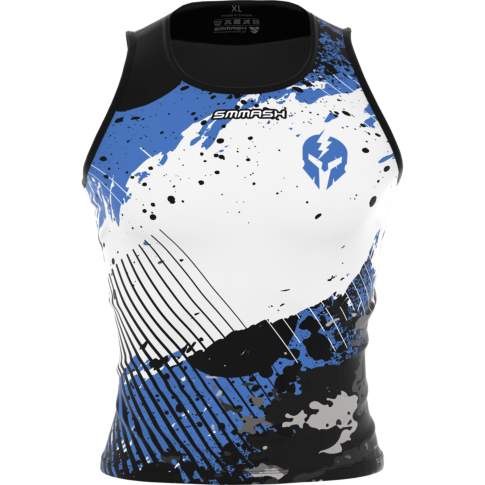 ULTRA LIGHT OCR COMPRESSION TANK TOP COMPRESSION TANK TOPAs low as €25.99 Regular Price €51.90
-
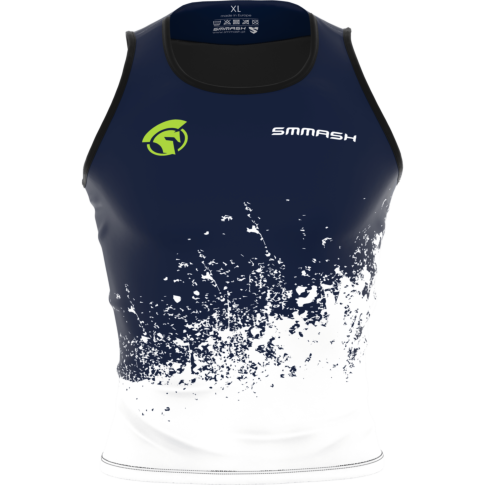 OCR ULTRA LIGHT COMPRESSION TANK TOP TANK TOP KOMPRESYJNYAs low as €25.99 Regular Price €51.90


